
Assessing Your Financial Readiness for Retirement: Key Factors to Consider
Planning for retirement isn’t just about dreaming of lazy Sunday mornings and endless vacations. It’s about creating a financial foundation that will support your desired lifestyle when your regular paycheck stops coming in. Whether you’re 25 or 55, understanding your financial readiness for retirement is crucial for making informed decisions about your future.
The truth is, retirement planning can feel overwhelming. With so many variables to consider and conflicting advice everywhere you turn, it’s easy to feel lost in the maze of financial jargon and complex calculations. But here’s the thing: assessing your retirement readiness doesn’t have to be rocket science. By focusing on key factors and taking a systematic approach, you can gain clarity about where you stand and what steps you need to take.

Let’s dive into the essential elements that determine whether you’re on track for a comfortable retirement or if you need to make some adjustments to your financial strategy.
Understanding Your Retirement Income Needs
Before you can assess whether you have enough saved, you need to understand how much money you’ll actually need in retirement. This isn’t as straightforward as you might think, and it goes far beyond the old rule of thumb that suggests you’ll need 70-80% of your pre-retirement income.
Your retirement expenses will likely look different from your current ones. While you might save money on commuting, work clothes, and perhaps your mortgage if it’s paid off, you could face higher costs for healthcare, travel, or hobbies you’ve been putting off. Some retirees find they spend more in their early retirement years as they pursue activities they couldn’t enjoy while working full-time.
Start by creating a detailed picture of your expected retirement lifestyle. Will you downsize your home or stay put? Do you plan to travel extensively or prefer staying close to home? Are there expensive hobbies or activities you want to pursue? These decisions will significantly impact your income requirements.
Consider inflation as well. What costs $1,000 today will cost significantly more in 20 or 30 years. A conservative estimate of 3% annual inflation means that $1,000 today would need to be about $1,800 in 20 years to maintain the same purchasing power.
Evaluating Your Current Savings and Investment Portfolio
Once you have a clearer picture of your retirement income needs, it’s time to take a hard look at your current financial position. This means examining not just how much you’ve saved, but also how your money is invested and whether your portfolio aligns with your retirement timeline and risk tolerance.
Start with the basics: calculate your total retirement savings across all accounts, including 401(k)s, IRAs, and any other retirement-specific investments. Don’t forget about taxable investment accounts that you might use for retirement, though keep in mind the tax implications of different account types.
The allocation of your investments matters just as much as the total amount. If you’re decades away from retirement, you might be comfortable with a more aggressive portfolio weighted toward stocks. As you approach retirement, you’ll likely want to shift toward a more conservative allocation that prioritizes capital preservation while still providing some growth potential.
Review your investment performance regularly, but don’t get caught up in short-term fluctuations. What matters more is whether your long-term average returns are helping you stay on track toward your retirement goals. If you’re consistently underperforming market averages or taking on more risk than you’re comfortable with, it might be time to reassess your investment strategy.
Social Security Benefits and Pension Plans
For many Americans, Social Security will provide a significant portion of their retirement income. Understanding how much you can expect to receive and when you can claim benefits is crucial for retirement planning. Your Social Security benefits are based on your highest 35 years of earnings, and the age at which you claim benefits can significantly impact your monthly payments.
You can start claiming Social Security as early as age 62, but your benefits will be permanently reduced. Waiting until your full retirement age (which varies based on your birth year) allows you to claim your full benefit amount. If you can afford to wait until age 70, your benefits will increase by about 8% per year beyond your full retirement age.
Create an account on the Social Security Administration’s website to get an estimate of your future benefits based on your current earnings record. This will help you understand how much of your retirement income Social Security might cover and how much you’ll need to generate from other sources.
If you’re fortunate enough to have a pension plan, understand the details of how it works. Some pensions provide a fixed monthly payment for life, while others might offer lump-sum options. Consider factors like survivor benefits for your spouse and whether the pension payments are adjusted for inflation over time.
Healthcare Costs and Long-Term Care Planning
Healthcare expenses often catch retirees off guard, and they can quickly derail even well-planned retirement budgets. Medicare will cover many of your healthcare needs, but it doesn’t cover everything, and you’ll still face premiums, deductibles, and co-pays. Medicare also doesn’t typically cover long-term care services, which can be extraordinarily expensive.
According to recent estimates, a 65-year-old couple retiring today should expect to spend around $300,000 on healthcare costs throughout their retirement. This figure can vary dramatically based on your health status, geographic location, and the type of care you need.
Consider your current health status and family medical history when planning for healthcare costs. If you have chronic conditions or a family history of expensive medical issues, you might want to budget more conservatively for healthcare expenses.
Long-term care is another significant consideration. Whether it’s in-home care, assisted living, or nursing home care, these services can cost thousands of dollars per month. Long-term care insurance can help protect your retirement savings from these potentially catastrophic costs, but these policies can be expensive and have specific qualification requirements.
Debt Management and Mortgage Considerations
Entering retirement with significant debt can put enormous pressure on your retirement income. High-interest debt, in particular, can quickly erode your savings and limit your financial flexibility. As part of your retirement readiness assessment, take a close look at your current debt situation and create a plan for managing it.
Credit card debt should be your first priority for elimination, given its typically high interest rates. Consider whether it makes sense to accelerate debt payments even if it means temporarily reducing your retirement contributions, especially if you’re paying interest rates higher than what you might reasonably expect to earn on your investments.
Your mortgage deserves special consideration. While some financial advisors advocate for paying off your mortgage before retirement, others argue that if you have a low interest rate, you might be better off investing the extra money instead. This decision depends on factors like your interest rate, tax situation, investment returns, and personal comfort level with debt.
If you plan to downsize in retirement, factor this into your calculations. Selling a larger home and buying a smaller one could free up significant capital for your retirement, but don’t forget about transaction costs, moving expenses, and the potential tax implications of your home sale.
Tax Planning Strategies for Retirement
Taxes don’t disappear in retirement, but your tax situation will likely change significantly. Understanding the tax implications of your retirement income sources can help you develop strategies to minimize your tax burden and make your money last longer.
Different types of retirement accounts have different tax treatments. Traditional 401(k)s and IRAs provide tax deductions when you contribute, but you’ll pay taxes on withdrawals in retirement. Roth accounts work in reverse: you pay taxes upfront but can withdraw money tax-free in retirement. Having a mix of both can provide valuable tax flexibility.
Consider your expected tax bracket in retirement compared to your current bracket. If you expect to be in a lower tax bracket in retirement, traditional accounts might make sense. If you expect to be in the same or higher bracket, Roth accounts could be more beneficial.
Don’t forget about required minimum distributions (RMDs) from traditional retirement accounts starting at age 73. These mandatory withdrawals can push you into higher tax brackets and affect other aspects of your finances, such as Medicare premiums. Planning for RMDs and potentially doing Roth conversions before you’re required to take distributions can help manage your tax burden.
Creating a Withdrawal Strategy
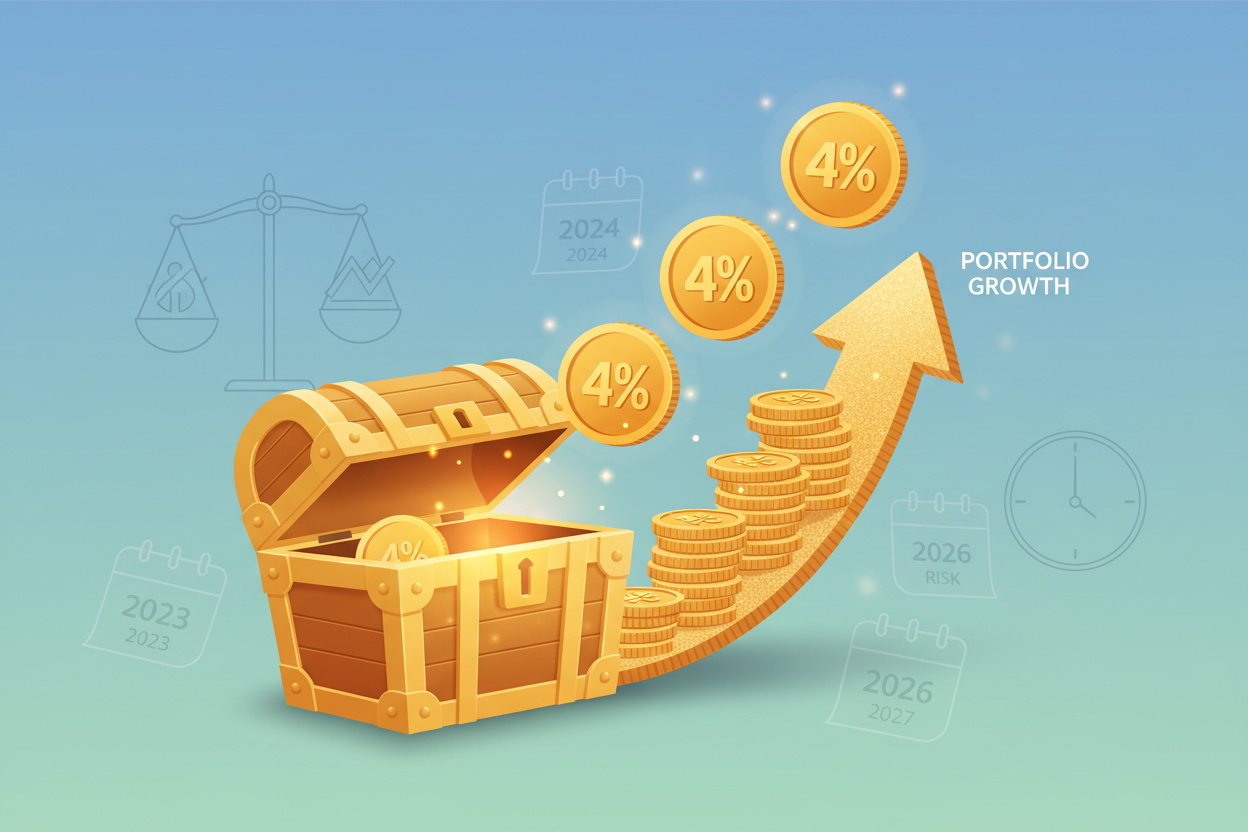
Having money saved for retirement is only half the battle. The other half is developing a sustainable withdrawal strategy that will make your money last throughout your retirement years. This is where the famous “4% rule” often comes up, but like many financial rules of thumb, it’s not necessarily appropriate for everyone.
The 4% rule suggests that you can safely withdraw 4% of your retirement portfolio in the first year of retirement and adjust that amount for inflation each subsequent year. While this provides a useful starting point, your actual safe withdrawal rate might be higher or lower depending on factors like your portfolio allocation, market conditions when you retire, and your life expectancy.
Consider a more flexible approach that adjusts your withdrawals based on market performance and your portfolio balance. In years when your investments perform well, you might be able to withdraw a bit more. In down years, you might need to tighten your belt temporarily to preserve your long-term financial security.
Think about the order in which you’ll withdraw from different types of accounts. Generally, it makes sense to withdraw from taxable accounts first, then traditional retirement accounts, and finally Roth accounts. However, your specific situation might call for a different approach, especially if you’re trying to manage your tax bracket or qualify for certain benefits.
Regular Review and Adjustment of Your Plan
Retirement planning isn’t a set-it-and-forget-it endeavor. Your financial situation, goals, and external factors like market conditions and tax laws will change over time. Regular reviews of your retirement plan help ensure you stay on track and can make adjustments when necessary.
Plan to review your retirement readiness at least annually, or whenever you experience significant life changes like a job change, marriage, divorce, or major health issues. These reviews should include updating your income projections, reassessing your investment allocation, and adjusting your savings rate if needed.
Don’t be afraid to make changes to your plan. If you discover you’re behind on your savings goals, there are often steps you can take to get back on track. This might include increasing your savings rate, working a few years longer than originally planned, or adjusting your retirement lifestyle expectations.
Consider working with a financial advisor, especially as you get closer to retirement. A professional can help you navigate complex decisions about Social Security timing, tax planning, and withdrawal strategies. Even if you prefer to manage your own investments, getting professional input on your overall strategy can be valuable.
Conclusion
Assessing your financial readiness for retirement requires honest evaluation of multiple factors, from your savings and investment strategy to your expected expenses and healthcare needs. While the process might seem daunting, breaking it down into these key components makes it more manageable and actionable.
Remember that retirement planning is highly personal. What works for your neighbor or colleague might not be the right approach for you. Your retirement readiness depends on your specific goals, risk tolerance, and financial situation. The key is to start where you are, use the information you have, and make improvements over time.
If you discover gaps in your retirement readiness, don’t panic. There’s almost always something you can do to improve your situation, whether that’s increasing your savings rate, adjusting your investment strategy, or modifying your retirement timeline or expectations. The most important step is to start the assessment process and then take action based on what you learn.
Your future self will thank you for the time and effort you invest in retirement planning today. While you can’t predict every challenge or opportunity that lies ahead, thorough planning gives you the best chance of enjoying the retirement you’ve always envisioned.