

Financial Stability After Divorce: A Guide to Recovery
Divorce represents one of life’s most challenging transitions, and the financial implications can feel overwhelming. Whether you’ve been married for five years or twenty-five, the prospect of rebuilding your financial foundation from scratch is daunting. However, thousands of people successfully navigate this journey every year, emerging stronger and more financially independent than before.
The path to financial recovery after divorce isn’t just about numbers on a spreadsheet—it’s about reclaiming control over your future and building the life you want. While the process requires patience, planning, and sometimes difficult decisions, it’s entirely achievable with the right approach and mindset.
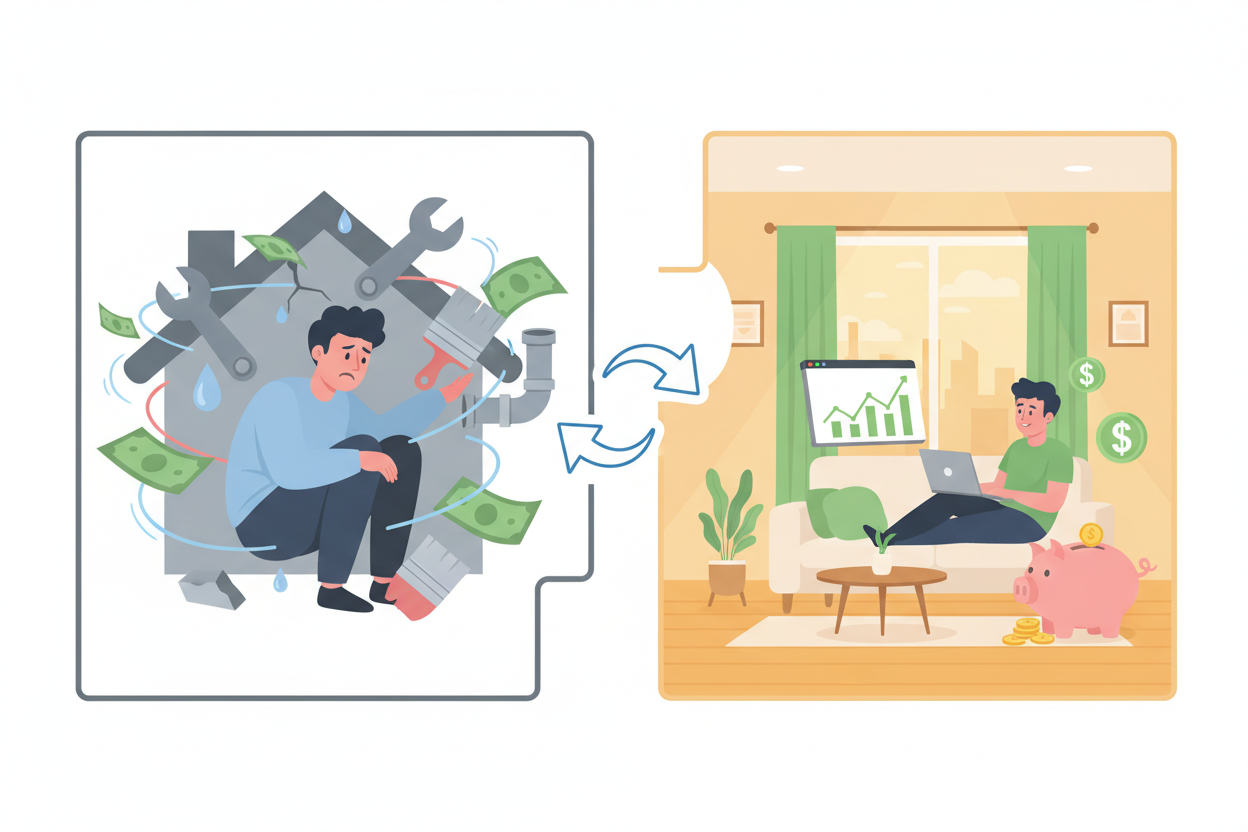
Taking Stock: Assessing Your Current Financial Situation
Before you can move forward, you need to understand exactly where you stand financially. This assessment phase is crucial, even though it might feel uncomfortable at first. Start by gathering all your financial documents, including bank statements, investment accounts, retirement funds, and debt statements.
Create a comprehensive list of your assets and liabilities. On the asset side, include your share of any joint accounts, retirement savings, real estate, vehicles, and personal property. Don’t forget about less obvious assets like life insurance cash values or pending tax refunds. For liabilities, list all debts including credit cards, mortgages, car loans, and any other obligations you’re responsible for post-divorce.
Many people discover they have a clearer picture of their finances after divorce than they did during marriage, especially if one partner handled most financial decisions. This newfound awareness, while initially sobering, becomes the foundation for making informed decisions about your financial future.

Creating Your Post-Divorce Budget: The Foundation of Financial Recovery
Your post-divorce budget will likely look dramatically different from your married budget. Income may have decreased while certain expenses remain the same or even increase. This is normal and expected—the key is creating a realistic budget that reflects your new reality while positioning you for future growth.
Start with your fixed expenses: housing, insurance, minimum debt payments, and other non-negotiable costs. Then examine your variable expenses with fresh eyes. Some costs that seemed essential during marriage might now be luxuries you can temporarily eliminate or reduce. This isn’t about permanent deprivation—it’s about strategic prioritization during your recovery phase.
Consider the 50/30/20 rule as a starting framework: 50% of income for needs, 30% for wants, and 20% for savings and debt repayment. However, during the initial recovery period, you might need to adjust these percentages, perhaps allocating more toward debt reduction or emergency fund building.
Building Your Emergency Fund: Your Financial Safety Net
An emergency fund becomes even more critical after divorce. Without a partner’s income to fall back on, you need a robust financial cushion to handle unexpected expenses or income disruptions. Financial experts typically recommend three to six months of living expenses, but as a newly single person, aim for the higher end of this range.
Building an emergency fund might seem impossible when money feels tight, but start small. Even $25 per week adds up to $1,300 over a year. Look for painless ways to redirect money into savings: automatic transfers on payday, saving spare change, or depositing windfalls like tax refunds or gifts directly into your emergency account.
Keep this fund in a separate, easily accessible savings account. The goal isn’t to earn high returns—it’s to have readily available cash when you need it most. This fund provides peace of mind and prevents you from relying on credit cards during emergencies, which could derail your financial recovery.
Managing and Eliminating Debt Strategically
Divorce often leaves people with a mix of individual and shared debts. Understanding your legal obligations is crucial—just because you’re divorced doesn’t automatically remove you from joint debts. Work with your attorney to clarify which debts you’re responsible for and ensure the divorce decree clearly addresses debt division.
Once you know what you owe, develop a strategic repayment plan. The debt avalanche method focuses on paying minimums on all debts while putting extra money toward the highest interest rate debt first. This saves money over time. Alternatively, the debt snowball method targets the smallest balances first, providing psychological wins that can maintain motivation.
Consider whether debt consolidation makes sense for your situation. A personal loan with a lower interest rate than your credit cards could simplify payments and reduce interest costs. However, be cautious about home equity loans or lines of credit—you don’t want to risk your housing stability for debt consolidation.
Rebuilding and Establishing Credit Independence
Divorce can significantly impact your credit score, especially if you’re coming off joint accounts or if your ex-spouse mismanaged shared credit. The first step is obtaining your credit reports from all three bureaus and reviewing them carefully. Look for errors, accounts that should have been closed, or any unauthorized activity.
If you don’t have individual credit cards, apply for one or two cards in your name only. If your credit score has suffered, you might need to start with a secured credit card, which requires a deposit but helps rebuild your credit history. Use these cards responsibly—keep balances low and pay them off monthly.
Avoid the temptation to close old individual accounts, as length of credit history factors into your score. Instead, use them occasionally for small purchases and pay them off immediately. This keeps the accounts active while building positive payment history.
Housing Decisions: Rent, Buy, or Stay Put
Housing represents the largest expense for most people, making it a critical decision in your financial recovery. If you kept the marital home, honestly assess whether you can afford it long-term. Consider not just the mortgage payment, but maintenance, utilities, insurance, and property taxes on a single income.
Renting might be the wisest choice initially, even if it feels like a step backward. Renting provides flexibility as you adjust to your new financial reality and removes the responsibility and costs of home maintenance. It also frees up cash that might otherwise go toward home repairs or improvements, allowing you to focus on debt reduction and emergency fund building.
If you decide to buy a new home, get pre-approved for a mortgage based on your individual income and credit. This gives you a realistic price range and prevents emotional overspending. Consider smaller homes or different neighborhoods than you might have chosen when married—your housing needs have likely changed along with your financial situation.
Retirement Planning: Getting Back on Track
Divorce can significantly impact retirement savings, especially if you had to split retirement accounts or if you’re starting over later in life. However, it’s never too late to refocus on retirement planning. Start by understanding what retirement assets you retained and how they fit into your long-term financial goals.
If your employer offers a 401(k) match, prioritize contributing enough to receive the full match—it’s free money you can’t afford to leave on the table. If you don’t have access to an employer plan, consider opening an IRA. Even small, consistent contributions can grow significantly over time thanks to compound interest.
You might need to adjust your retirement timeline or expectations, but don’t abandon retirement planning altogether. Work with a financial advisor if possible to create a realistic retirement strategy based on your new circumstances. They can help you understand catch-up contribution limits if you’re over 50 and explore other retirement savings strategies.
Increasing Your Income: Investing in Your Future
While managing expenses is crucial, increasing your income often provides the most significant boost to financial recovery. This might mean asking for a raise, seeking a new job, or developing additional income streams. Assess your current skills and market value—you might be surprised at your earning potential.
Consider investing in education or training that could lead to higher-paying opportunities. Many community colleges offer affordable certificate programs in high-demand fields. Online courses and professional development can also enhance your skills and resume. View these investments as essential to your financial recovery, not optional luxuries.
Side hustles or freelance work can provide additional income and financial security. Whether it’s consulting in your professional field, driving for ride-share services, or monetizing a hobby, extra income can accelerate debt payoff and emergency fund building. Just be mindful of tax implications and set aside money for quarterly tax payments if needed.
Protecting Your Financial Future
As you rebuild your financial life, don’t forget about protection strategies. Review and update all insurance policies, including health, auto, disability, and life insurance. You might need to obtain individual policies if you were previously covered under your spouse’s plans.
Update beneficiaries on all accounts, including retirement accounts, life insurance policies, and bank accounts. Create or update your will and other estate planning documents. These tasks might feel overwhelming, but they’re crucial for protecting the financial security you’re working to rebuild.
Consider identity theft protection, especially if your ex-spouse has access to your personal information. Monitor your credit reports regularly and be alert for any unusual activity on your accounts.
Moving Forward with Confidence
Financial recovery after divorce is a marathon, not a sprint. There will be setbacks and challenges along the way, but each month you stick to your budget, each debt you pay off, and each dollar you save builds momentum toward your goals. Celebrate small victories—they’re proof that you’re making progress.
Remember that financial independence brings freedom and peace of mind that’s worth the temporary sacrifices. You’re not just recovering from divorce; you’re building a stronger, more intentional financial life. Many people discover that managing their own finances gives them a sense of control and accomplishment they never experienced during marriage.
The journey to financial stability after divorce requires patience, discipline, and sometimes professional help. Don’t hesitate to work with financial advisors, credit counselors, or other professionals who can provide guidance tailored to your situation. With time, effort, and the right strategies, you can achieve not just financial recovery, but financial prosperity in your new life.