Milestones for Updating Your Financial Plan: What to Consider
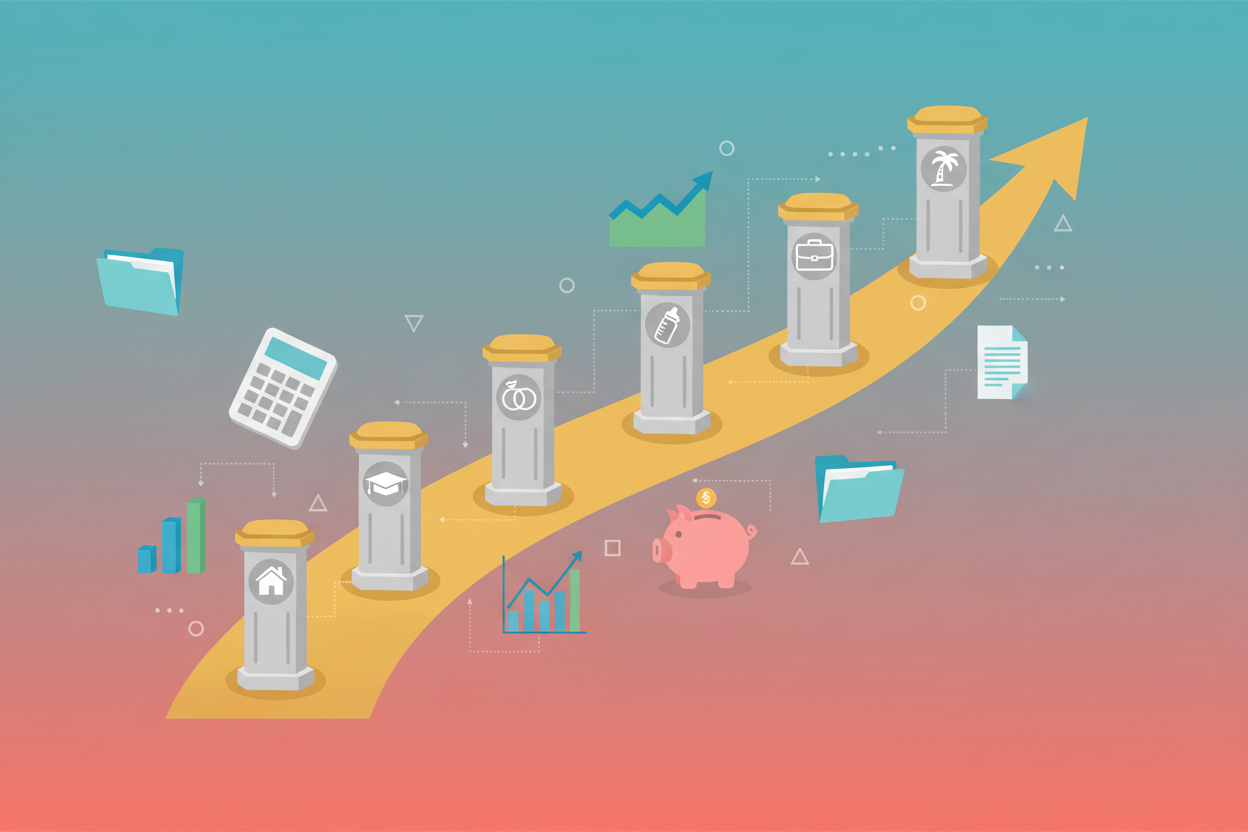
Life has a funny way of throwing curveballs at us just when we think we’ve got everything figured out. One day you’re a fresh college graduate with student loans and dreams, and the next you’re juggling a mortgage, kids’ college funds, and retirement planning. Your financial plan should evolve with you, adapting to each new chapter of your life story.
Think of your financial plan as a living document—not something you create once and forget about in a dusty filing cabinet. Just like you wouldn’t wear the same clothes size you did in high school (hopefully!), your financial strategy needs regular updates to fit your changing circumstances. The key is knowing when these updates are necessary and what factors to consider during each revision.

Career Changes and Income Shifts
Your career trajectory significantly impacts your financial planning needs. Whether you’re climbing the corporate ladder, switching industries, or starting your own business, income changes require immediate attention to your financial strategy.
When you receive a promotion or salary increase, resist the temptation to immediately upgrade your lifestyle. Instead, consider increasing your retirement contributions, building a larger emergency fund, or paying down high-interest debt more aggressively. A good rule of thumb is to allocate at least 50% of any raise toward your financial goals before adjusting your spending habits.
On the flip side, job loss or income reduction calls for a defensive financial strategy. You’ll need to reassess your budget, potentially tap into emergency funds, and possibly adjust your investment timeline. During these periods, focus on preserving capital and maintaining liquidity rather than aggressive growth strategies.

Career changes also affect your benefits package. New employers might offer different retirement matching programs, health insurance options, or stock purchase plans. Take time to understand how these changes impact your overall financial picture and adjust your planning accordingly.
Marriage and Partnership Financial Planning
Combining finances with a partner is like learning a new dance—it takes practice, communication, and sometimes stepping on each other’s toes before you find your rhythm. Marriage or serious partnership represents one of the most significant financial planning milestones you’ll encounter.
Start by having honest conversations about money attitudes, spending habits, and financial goals. One partner might be a natural saver while the other is more spontaneous with purchases. Neither approach is inherently wrong, but understanding these differences helps create a balanced financial plan that works for both personalities.
Consider whether to maintain separate accounts, merge everything, or use a hybrid approach with both joint and individual accounts. Many couples find success with a “yours, mine, and ours” system where each partner maintains some financial independence while contributing to shared goals and expenses.
Don’t forget to update beneficiaries on retirement accounts, insurance policies, and other financial accounts. Review and potentially combine investment strategies to avoid duplication and ensure your portfolio allocation makes sense as a unit rather than two separate entities.
Growing Your Family: Children and Financial Responsibilities
Children change everything, including your financial priorities. From the moment you start planning for a family, your financial plan needs significant adjustments to accommodate new expenses, changed goals, and increased responsibilities.
Begin by estimating the immediate costs of having a child—medical expenses, childcare, baby gear, and potentially reduced income during parental leave. The USDA estimates that raising a child costs over $230,000 from birth through age 17, not including college expenses. While this figure might seem overwhelming, remember that these costs spread over many years and your income will likely grow during this period.
Life insurance becomes crucial when you have dependents. If something happens to you, your family needs financial protection to maintain their lifestyle and meet future goals. Consider both term and permanent life insurance options based on your specific situation and budget.
Start college planning early, even if it feels premature when you’re changing diapers at 3 AM. 529 education savings plans offer tax advantages for education expenses, and starting early allows compound growth to work in your favor. Even small monthly contributions can grow significantly over 18 years.
Homeownership and Real Estate Decisions
Buying your first home represents a major financial milestone that affects multiple aspects of your financial plan. Homeownership introduces new expenses, tax considerations, and wealth-building opportunities that require careful integration into your overall strategy.
Before house hunting, ensure your emergency fund can handle homeownership surprises—broken water heaters, roof repairs, and other maintenance issues that landlords previously handled. Financial experts recommend having 1-3% of your home’s value set aside annually for maintenance and repairs.
Homeownership also changes your tax situation. Mortgage interest and property tax deductions might make itemizing more beneficial than taking the standard deduction. Work with a tax professional to understand how homeownership affects your tax planning strategy.
Consider how your mortgage fits into your overall debt management strategy. While mortgage debt is generally considered “good debt” due to potential tax benefits and property appreciation, it still represents a significant monthly obligation that affects your ability to save and invest in other areas.
Health Changes and Medical Considerations
Health challenges can dramatically impact your financial plan, both through increased medical expenses and potential changes to your earning capacity. Regular health-related financial planning reviews help ensure you’re prepared for various scenarios.
Evaluate your health insurance coverage annually, especially during open enrollment periods. Consider factors like premium costs, deductibles, provider networks, and prescription coverage. High-deductible health plans paired with Health Savings Accounts (HSAs) can provide tax advantages for those who qualify.
HSAs deserve special attention in your financial planning. These accounts offer triple tax benefits—deductible contributions, tax-free growth, and tax-free withdrawals for qualified medical expenses. After age 65, HSAs can also be used for non-medical expenses without penalty, making them excellent retirement planning tools.
Long-term care insurance becomes more important as you age. The costs of extended care can quickly deplete retirement savings, making insurance protection valuable for preserving wealth for spouses and heirs.
Retirement Planning Adjustments
Retirement planning isn’t a set-it-and-forget-it proposition. Your retirement strategy should evolve based on your age, risk tolerance, market conditions, and changing goals for your golden years.
In your twenties and thirties, focus on maximizing growth potential through equity investments. You have time to weather market volatility and benefit from compound growth. As you approach retirement, gradually shift toward more conservative investments to protect accumulated wealth.
Take advantage of catch-up contributions once you reach age 50. These additional contribution limits for 401(k)s and IRAs help accelerate retirement savings during your peak earning years. Many people find their expenses decrease as children become independent, freeing up income for retirement contributions.
Regularly review your retirement income needs and sources. Social Security, employer-sponsored retirement plans, personal savings, and potential part-time work all play roles in retirement income planning. Understanding how these pieces fit together helps ensure you’re on track for a comfortable retirement.
Economic Changes and Market Conditions
External economic factors also trigger financial plan updates. Market volatility, interest rate changes, inflation, and economic cycles all affect your financial strategy and require periodic adjustments.
During market downturns, resist the urge to make dramatic changes based on emotion. Instead, view market volatility as an opportunity to rebalance your portfolio and potentially purchase investments at lower prices. Dollar-cost averaging through regular contributions helps smooth out market fluctuations over time.
Interest rate changes affect both borrowing and saving strategies. When rates are low, it might make sense to refinance mortgages or take on low-cost debt for investments. When rates are high, focus on paying down variable-rate debt and taking advantage of higher returns on savings accounts and CDs.
Inflation erodes purchasing power over time, making it important to include inflation-protected investments in your portfolio. Treasury Inflation-Protected Securities (TIPS), real estate, and stocks historically provide some inflation protection.
Creating Your Financial Plan Review Schedule
Successful financial planning requires regular reviews and updates. Create a schedule that ensures you’re staying on track while avoiding the paralysis of over-analysis.
Conduct comprehensive annual reviews that examine all aspects of your financial plan—budget, investments, insurance, estate planning, and goals. This annual checkup allows you to make necessary adjustments and set priorities for the coming year.
Perform quarterly investment reviews to rebalance portfolios and assess progress toward goals. These shorter reviews help you stay engaged with your investments without making impulsive decisions based on short-term market movements.
Schedule immediate reviews when major life events occur—marriage, divorce, job changes, births, deaths, or significant health changes. These events often require prompt financial plan adjustments to maintain appropriate protection and goal alignment.
Your financial plan is a roadmap for achieving your dreams and weathering life’s inevitable challenges. By recognizing key milestones that trigger plan updates and staying proactive about reviews, you’ll be better positioned to adapt your strategy as your life evolves. Remember, the best financial plan is one that grows and changes with you, supporting your goals at every stage of your journey.
Don’t let the complexity of financial planning overwhelm you. Start with the basics, make regular adjustments, and consider working with a financial advisor when your situation becomes more complex. Your future self will thank you for the attention you give to financial planning today.