
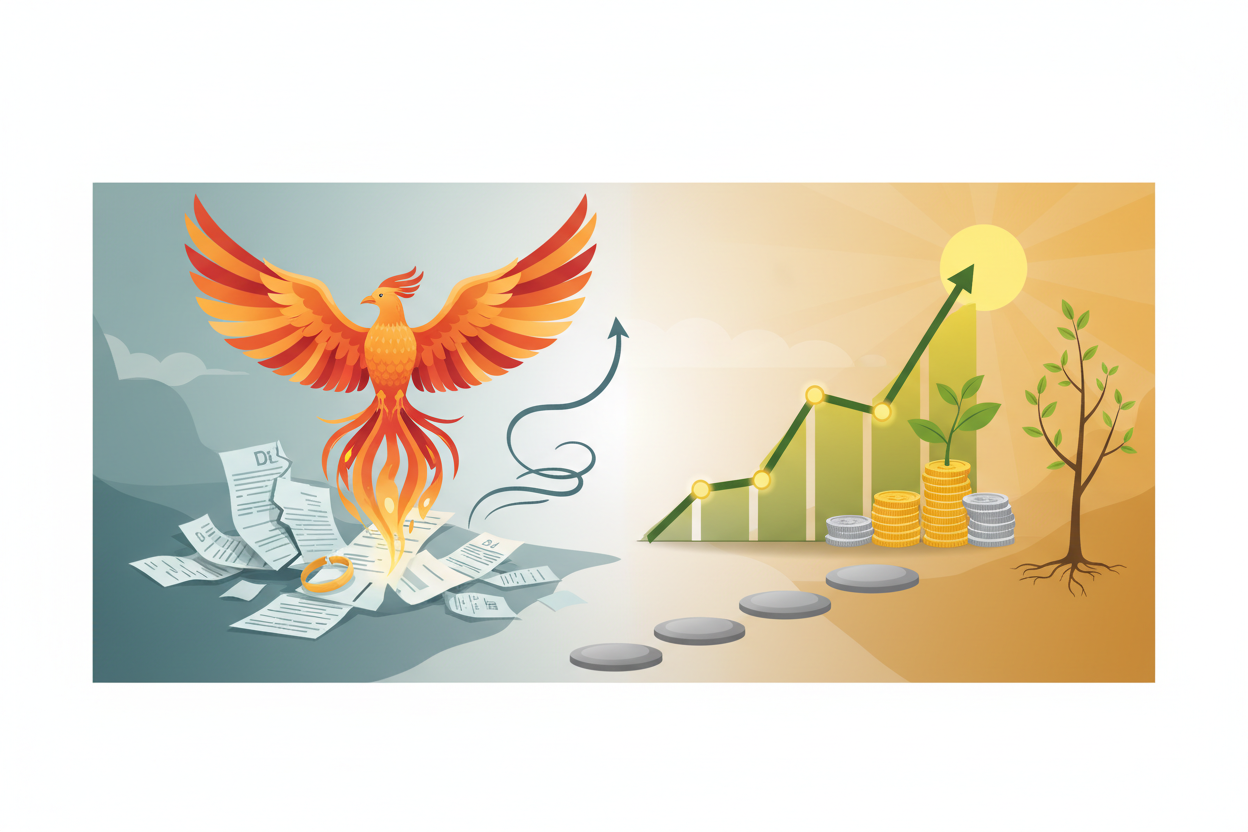
Investing After Divorce: Rebuilding Your Financial Future
Divorce marks the end of one chapter and the beginning of another. While the emotional journey can be overwhelming, one aspect that demands immediate attention is your financial future. The division of assets, change in income, and new financial responsibilities can leave you feeling uncertain about where to begin rebuilding your wealth.
The good news? This fresh start presents an opportunity to take control of your finances like never before. With careful planning and strategic investing, you can build a stronger, more secure financial foundation than you had before. Let’s explore how to navigate this crucial transition and set yourself up for long-term financial success.
Taking Stock of Your New Financial Reality
Before diving into investment strategies, you need a clear picture of where you stand financially. This assessment forms the foundation of your rebuilding plan and helps you make informed decisions about your investment approach.
Start by listing all your assets, including bank accounts, retirement funds, real estate, and any other investments you retained after the divorce settlement. Don’t forget to account for personal property that holds value, such as jewelry, artwork, or collectibles. Next, catalog your debts, including mortgages, credit cards, student loans, and any other obligations.

Your income situation has likely changed significantly. Calculate your new monthly income from all sources, including employment, alimony, child support, or any passive income streams. Compare this against your monthly expenses, which may have shifted dramatically. You might be paying for housing, insurance, and utilities independently for the first time in years.
This financial snapshot reveals your cash flow situation and determines how much you can realistically allocate toward investments. Remember, this is just your starting point – your financial picture will evolve as you implement your rebuilding strategy.
Emergency Fund: Your Financial Safety Net
Before considering any investments, establishing an emergency fund should be your top priority. This financial cushion becomes even more critical after divorce, as you no longer have a partner’s income to fall back on during unexpected situations.
Aim to save three to six months’ worth of living expenses in a readily accessible account. If you’re receiving alimony or child support, consider building a slightly larger emergency fund to account for potential payment delays or changes in these arrangements. Start small if necessary – even $500 can provide peace of mind and prevent you from going into debt when minor emergencies arise.
Keep your emergency fund in a high-yield savings account or money market account where it can earn some interest while remaining easily accessible. Avoid the temptation to invest this money in stocks or other volatile investments, as you need guaranteed access when emergencies strike.
Retirement Planning: Starting Over or Catching Up
Divorce often means starting over with retirement planning, especially if you weren’t the primary earner or if retirement accounts were divided. The key is to act quickly and take advantage of every opportunity to rebuild your retirement savings.
If your employer offers a 401(k) plan, contribute at least enough to receive the full company match – this is essentially free money. If you’re over 50, take advantage of catch-up contributions, which allow you to contribute additional amounts beyond the standard limits. For 2024, you can contribute an extra $7,500 to your 401(k) and an additional $1,000 to an IRA.
Consider opening an IRA if you don’t have access to an employer-sponsored plan or want to supplement your workplace retirement savings. A Roth IRA can be particularly beneficial if you expect to be in a higher tax bracket in retirement or if you want tax-free withdrawals later in life.
Don’t panic if you feel behind on retirement savings. You have time to catch up, and consistent contributions combined with compound growth can still result in a comfortable retirement. The most important step is to start contributing regularly, even if the amounts seem small initially.
Investment Strategies for Your New Beginning
With your emergency fund established and retirement contributions underway, you can focus on building wealth through strategic investing. Your investment approach should align with your risk tolerance, time horizon, and financial goals.
Diversification becomes crucial when you’re rebuilding wealth as a single person. Spread your investments across different asset classes, including stocks, bonds, and potentially real estate investment trusts (REITs). This approach helps reduce risk while positioning your portfolio for growth.
Consider starting with low-cost index funds or exchange-traded funds (ETFs) that track broad market indices. These investments provide instant diversification and typically have lower fees than actively managed funds. A simple portfolio might include a total stock market index fund, an international stock fund, and a bond fund.
If you received a lump sum from the divorce settlement, avoid the temptation to invest it all at once. Instead, consider dollar-cost averaging by investing fixed amounts regularly over time. This strategy helps reduce the impact of market volatility and removes the pressure of trying to time the market perfectly.
Managing Risk as a Single Investor
Investing as a single person requires a different approach to risk management compared to when you were married. You no longer have a partner’s income or assets to provide additional security, making it essential to balance growth potential with stability.
Your risk tolerance should reflect your current life situation. If you’re newly divorced and still adjusting to single life, you might prefer a more conservative approach initially. As you become more comfortable with your new financial situation, you can gradually increase your risk tolerance if appropriate.
Age plays a crucial role in determining your investment mix. A common rule of thumb suggests subtracting your age from 100 to determine the percentage of your portfolio that should be in stocks. However, with longer life expectancies, many financial experts now recommend subtracting your age from 110 or 120 for a more aggressive approach.
Don’t overlook the importance of adequate insurance coverage. As a single person, disability insurance becomes particularly important since you don’t have a spouse’s income to rely on if you become unable to work. Review your life insurance needs as well, especially if you have children or other dependents.
Tax Considerations for Divorced Investors
Divorce brings significant changes to your tax situation that can impact your investment strategy. Understanding these changes helps you make more tax-efficient investment decisions and avoid costly mistakes.
Your filing status has likely changed from married filing jointly to single or head of household, which affects your tax brackets and available deductions. This change might put you in a different tax bracket, influencing whether traditional or Roth retirement accounts make more sense for your situation.
If you’re receiving alimony from a divorce finalized before 2019, those payments are taxable income to you and tax-deductible for your ex-spouse. For divorces finalized after 2018, alimony is no longer taxable to the recipient or deductible for the payer. Child support, regardless of when your divorce was finalized, is neither taxable income nor tax-deductible.
Consider the tax implications of your investment accounts. Taxable investment accounts offer flexibility but generate taxable income through dividends and capital gains. Tax-advantaged accounts like IRAs and 401(k)s provide tax benefits but come with restrictions on withdrawals.
Building Long-Term Wealth and Financial Independence
Rebuilding your financial future after divorce isn’t just about replacing what you lost – it’s an opportunity to build something better. Focus on creating multiple income streams and building wealth that provides long-term financial security and independence.
Consider investing in yourself through education or skill development that could increase your earning potential. This might mean pursuing certifications, learning new technologies, or even starting a side business. The return on investment in your own skills and knowledge often exceeds what you can earn in traditional investments.
Real estate can play a role in your wealth-building strategy, whether through REITs in your investment portfolio or eventually purchasing rental property. However, direct real estate investment requires significant capital and ongoing management, so make sure you’re prepared for these responsibilities.
As your financial situation stabilizes and improves, consider increasing your investment contributions annually. Even small increases in your savings rate can have a dramatic impact on your long-term wealth accumulation thanks to the power of compound growth.
Moving Forward with Confidence
Rebuilding your financial future after divorce requires patience, discipline, and a clear plan. While the task might seem daunting initially, remember that you’re not just recovering from a setback – you’re building a foundation for financial independence and security.
Start with the basics: establish your emergency fund, maximize retirement contributions, and begin investing in diversified, low-cost funds. As your confidence and knowledge grow, you can refine your strategy and explore additional investment opportunities.
Consider working with a fee-only financial advisor who can help you navigate this transition and develop a personalized investment strategy. Look for someone who understands the unique challenges faced by divorced individuals and can provide objective guidance without conflicts of interest.
Your financial future is entirely in your hands now, and that’s both empowering and liberating. With careful planning, consistent investing, and a long-term perspective, you can build wealth that provides security and opens doors to new opportunities. The journey begins with a single step – and that step starts today.