

Retirement Planning in Michigan: Navigating State Regulations for a Secure Financial Future
Planning for retirement can feel overwhelming, especially when you’re trying to understand how your state’s specific regulations might impact your golden years. If you’re a Michigan resident, you’re in luck – the Great Lakes State offers several unique advantages for retirees, along with some important considerations you’ll want to keep in mind. Whether you’re just starting your career or approaching retirement age, understanding Michigan’s retirement landscape can help you make informed decisions that will benefit you for decades to come.
Michigan’s approach to retirement planning combines favorable tax policies with robust state-sponsored programs, creating opportunities for residents to build substantial nest eggs. However, like any state, there are nuances and regulations that can significantly impact your retirement strategy. Let’s dive into what makes retirement planning in Michigan unique and how you can navigate the state’s regulations to maximize your financial security.
Michigan’s Tax-Friendly Retirement Environment
One of the most compelling reasons to retire in Michigan is the state’s increasingly retiree-friendly tax structure. In recent years, Michigan has made significant changes that benefit those planning for or already enjoying retirement. Understanding these tax advantages can save you thousands of dollars annually and help stretch your retirement income further.
Michigan doesn’t tax most retirement income for residents over 67, which is a substantial benefit compared to many other states. This includes income from 401(k) plans, traditional IRAs, pension payments, and annuities. For those between ages 62 and 66, partial exemptions apply, with the exemption amount increasing each year until full exemption kicks in at 67.
Social Security benefits receive even better treatment – they’re completely exempt from Michigan state income tax regardless of your age or total income level. This puts Michigan in the company of states that don’t tax Social Security at all, providing immediate savings for retirees who rely on these benefits as a significant portion of their income.
The state also offers a pension exemption that can be particularly valuable for public sector retirees. Military retirement pay receives favorable treatment as well, with certain exemptions available depending on when you served and retired from military service.
Understanding Michigan’s State Retirement System
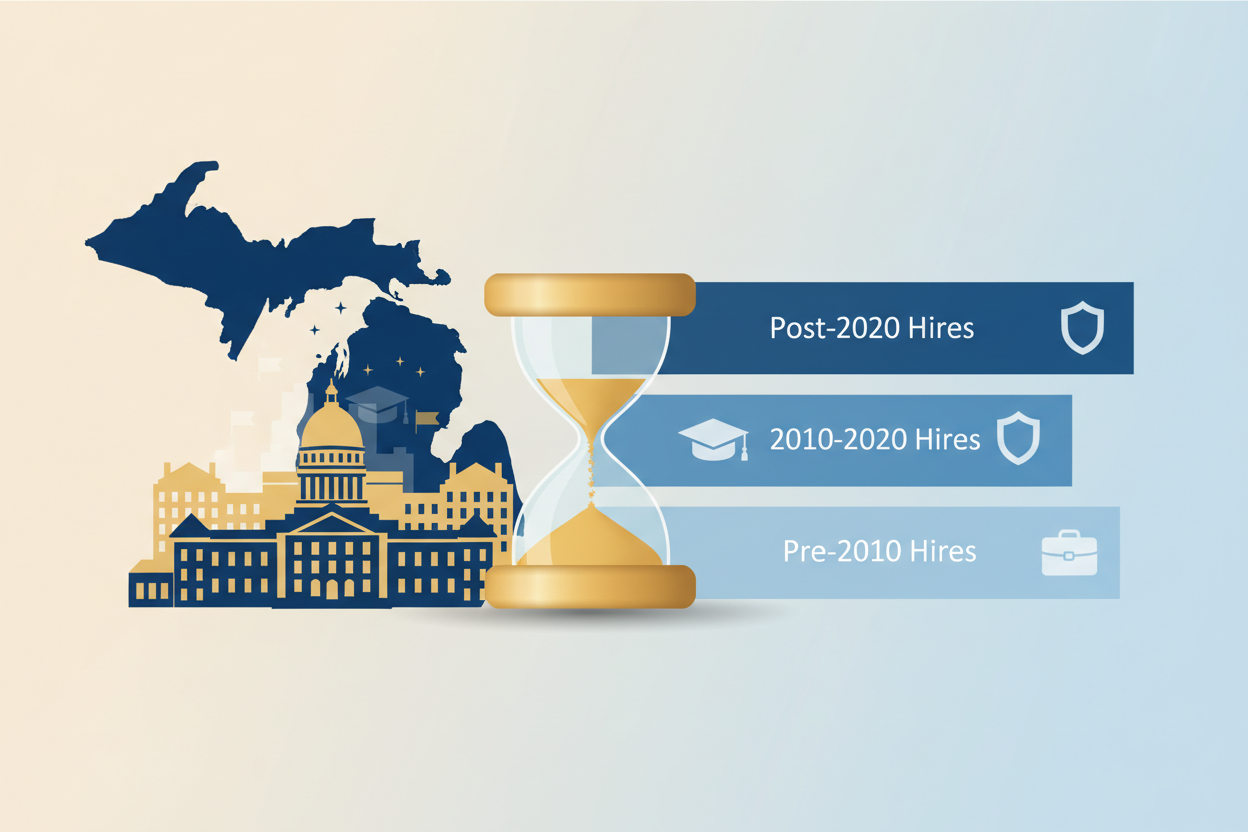
If you’re employed by the state of Michigan or one of its municipalities, understanding the Michigan Public School Employees Retirement System (MPSERS) or the Michigan State Employees Retirement System (MSERS) is crucial for your retirement planning strategy. These systems have undergone significant changes over the years, and your benefits will depend on when you were hired and which tier of benefits applies to your situation.
MPSERS, which covers teachers and other school employees, has evolved from a traditional defined benefit plan to include hybrid and defined contribution options for newer employees. If you’re covered under the older system, you may be entitled to a pension based on your years of service and final average compensation. Newer employees might have a combination of pension benefits and 401(k)-style accounts.
The key to maximizing these benefits lies in understanding vesting periods, calculation methods, and optimal retirement timing. Many Michigan public employees don’t realize that working just a few additional years can significantly impact their monthly pension payments due to how the benefit formulas work.
For those in the private sector, Michigan follows federal regulations for 401(k) plans and IRAs, but the state’s tax treatment of these accounts makes them particularly attractive for long-term retirement savings.
Healthcare Considerations for Michigan Retirees
Healthcare costs represent one of the largest expenses retirees face, and Michigan’s approach to healthcare regulation and Medicare supplement policies can significantly impact your retirement budget. The state has specific regulations governing Medicare supplement insurance policies, which can help fill gaps in Medicare coverage.
Michigan follows federal Medicare guidelines but has additional consumer protections in place. The state requires insurance companies to offer standardized Medicare supplement policies, making it easier to compare options and find coverage that fits your needs and budget. Understanding these options before you retire can help you avoid gaps in coverage that could prove costly.
Long-term care is another critical consideration for Michigan retirees. The state has specific regulations governing long-term care insurance, and understanding these rules can help you make informed decisions about whether to purchase coverage and what type might be most appropriate for your situation.
Michigan also participates in various federal programs that can help reduce healthcare costs for qualifying retirees, including programs that help pay Medicare premiums and prescription drug costs for those with limited incomes.
Estate Planning and Inheritance Laws in Michigan
Michigan’s estate planning laws play a crucial role in retirement planning, particularly when it comes to protecting assets and ensuring your wishes are carried out after you’re gone. The state doesn’t impose its own estate tax, which means your heirs won’t face state-level estate taxes on inherited assets, though federal estate taxes may still apply to very large estates.
Michigan recognizes various types of trusts and estate planning vehicles that can be valuable tools for retirees looking to protect assets, minimize taxes, and provide for their families. The state’s probate process is relatively straightforward, but proper estate planning can help your heirs avoid probate altogether in many cases.
Understanding Michigan’s laws regarding power of attorney, healthcare directives, and guardianship is essential for comprehensive retirement planning. These documents become increasingly important as you age and want to ensure your financial and healthcare decisions are handled according to your wishes if you become unable to make them yourself.
The state also has specific rules regarding retirement account beneficiaries and how these accounts are treated in estate planning, which can impact both your tax planning during retirement and your heirs’ tax obligations after you’re gone.
Property Tax Considerations for Retired Homeowners
Property taxes can represent a significant ongoing expense for retirees, but Michigan offers several programs designed to help reduce this burden for qualifying seniors. The state’s Principal Residence Exemption (PRE) can provide substantial property tax savings for your primary residence, and understanding how to maintain this exemption is crucial for retirees.
Michigan also offers a property tax deferral program for seniors who meet certain age and income requirements. This program allows qualifying homeowners to defer property tax payments, with the deferred amount becoming a lien on the property that’s typically paid when the home is sold or the owner passes away.
For retirees considering downsizing or relocating within Michigan, understanding how property tax assessments work and the various exemptions available can help you make more informed decisions about where to live during retirement.
The state’s Homestead Property Tax Credit can also provide additional relief for retirees with limited incomes, potentially reducing or eliminating property tax obligations for qualifying individuals.
Planning Strategies for Michigan Residents
Successful retirement planning in Michigan requires a coordinated approach that takes advantage of the state’s benefits while addressing potential challenges. One effective strategy is to maximize contributions to tax-deferred retirement accounts while you’re working, knowing that you’ll likely face little to no state tax on withdrawals during retirement.
Consider the timing of your retirement carefully, especially if you’re covered by a state pension system. Sometimes working an additional year or two can result in significantly higher monthly benefits that continue for the rest of your life.
If you’re planning to relocate within Michigan during retirement, research different communities’ property tax rates and available senior services. Some areas of the state are particularly retiree-friendly, with lower costs of living and better access to healthcare and recreational activities.
Don’t overlook the importance of building a diversified income stream for retirement. While Michigan’s tax advantages are significant, having multiple sources of retirement income can provide greater financial security and flexibility.
Conclusion
Retirement planning in Michigan offers unique opportunities thanks to the state’s favorable tax treatment of retirement income and various programs designed to support seniors. By understanding these regulations and benefits, you can develop a retirement strategy that maximizes your financial security while minimizing unnecessary taxes and expenses.
The key to successful retirement planning in Michigan lies in staying informed about changing regulations, taking advantage of available programs, and working with qualified professionals who understand the state’s specific requirements and opportunities. Whether you’re decades away from retirement or approaching it soon, understanding Michigan’s retirement landscape can help you make decisions today that will benefit you throughout your golden years.
Remember that retirement planning is not a one-time event but an ongoing process that should be reviewed and adjusted regularly as your circumstances change and as state and federal regulations evolve. By staying proactive and informed, you can navigate Michigan’s retirement regulations successfully and enjoy the financial security you’ve worked so hard to achieve.