
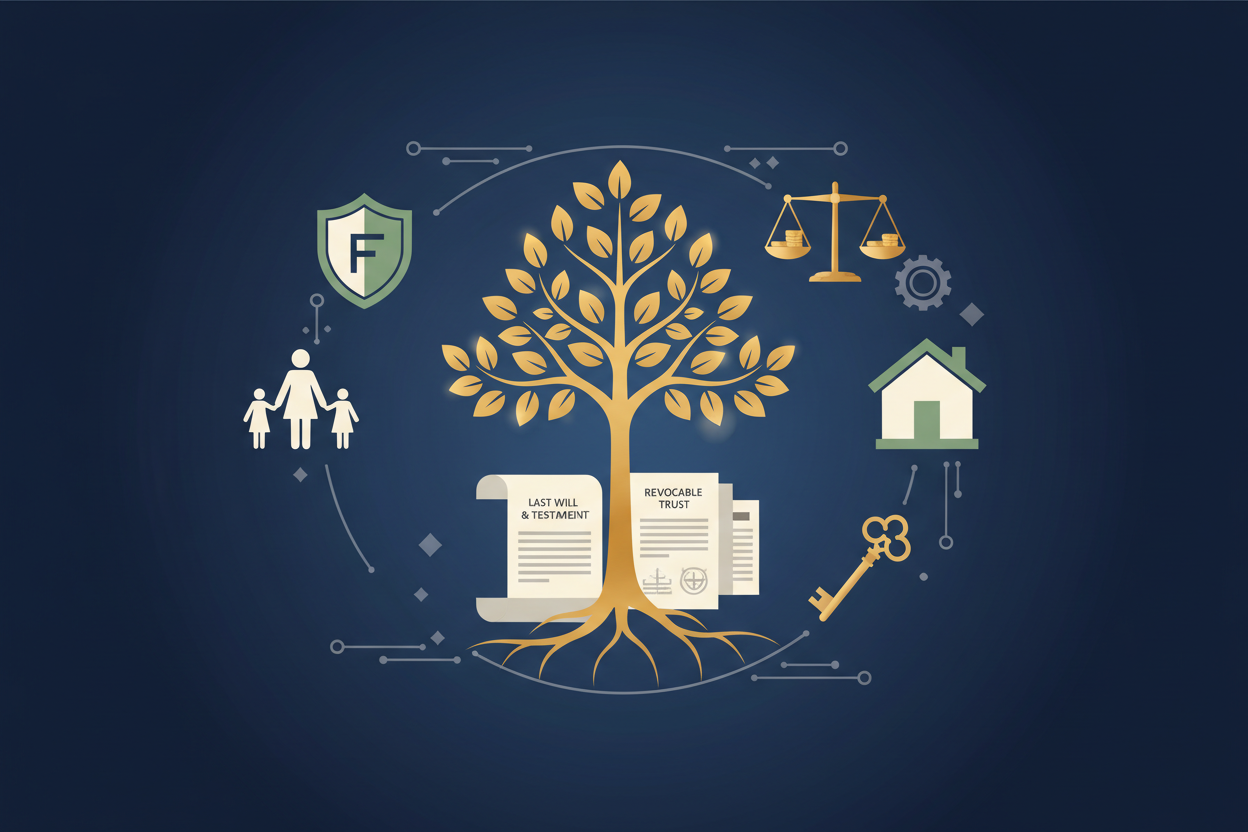
The Essentials of Estate Planning: Protecting Your Legacy
Nobody likes to think about their own mortality, but estate planning isn’t just about death—it’s about life. It’s about ensuring your hard-earned assets reach the people you care about most, minimizing the burden on your loved ones during difficult times, and maintaining control over your financial legacy. Whether you’re 25 or 75, single or married, wealthy or just getting by, estate planning deserves a spot on your priority list.
The truth is, without proper estate planning, you’re essentially letting the state decide what happens to your assets and who makes critical decisions about your care. That’s a gamble most people wouldn’t take with their morning coffee order, yet millions leave their life’s work to chance. Let’s explore why estate planning matters and how you can take control of your legacy today.

What Is Estate Planning and Why Does It Matter?
Estate planning is the process of organizing your affairs to ensure your assets are distributed according to your wishes after you pass away or become incapacitated. Think of it as creating a roadmap for your loved ones to follow when you can’t guide them yourself.
Beyond the obvious benefit of controlling asset distribution, estate planning serves several crucial purposes. It can significantly reduce the tax burden on your beneficiaries, eliminate lengthy and expensive probate proceedings, and provide clear instructions for your medical care if you become unable to make decisions yourself.

Consider this scenario: Sarah, a single mother of two, never got around to creating a will. When she unexpectedly passed away in a car accident, her children faced months of legal proceedings, substantial court fees, and family disputes over her modest but meaningful estate. A simple will could have prevented this entire ordeal and ensured her children received their inheritance quickly and without conflict.
Essential Estate Planning Documents Every Adult Needs
Estate planning doesn’t require a law degree, but it does require specific legal documents. These foundational papers form the backbone of any solid estate plan, regardless of your wealth level or family situation.
Last Will and Testament: Your Final Instructions
Your will serves as the cornerstone of your estate plan. This document outlines how you want your assets distributed, names guardians for minor children, and designates an executor to carry out your wishes. Without a will, state laws determine who inherits your property, which might not align with your preferences.
A well-crafted will should be specific about asset distribution, regularly updated to reflect life changes, and stored in a secure but accessible location. Remember, handwritten wills might seem personal, but they often create more problems than they solve due to unclear language or missing legal requirements.
Power of Attorney: Choosing Your Financial Representative
A financial power of attorney designates someone to manage your money and property if you become unable to do so yourself. This isn’t just about end-of-life scenarios—temporary incapacitation from illness, surgery, or accidents can leave you unable to handle financial matters for weeks or months.
When selecting someone for this role, choose a person you trust implicitly with money. This individual will have significant authority over your finances, so reliability and sound judgment are non-negotiable qualities. Many people choose their spouse, adult children, or trusted siblings for this responsibility.
Healthcare Directives: Protecting Your Medical Wishes
Healthcare directives include both a healthcare power of attorney and a living will. The healthcare power of attorney names someone to make medical decisions on your behalf, while a living will outlines your preferences for end-of-life care, including decisions about life support, resuscitation, and pain management.
These documents prevent family members from guessing your wishes during emotionally charged situations. They also spare your loved ones from making difficult decisions without guidance, reducing both stress and potential family conflicts during medical emergencies.
Understanding Trusts: When and Why You Might Need One
Trusts often seem like tools reserved for the ultra-wealthy, but they can benefit many middle-class families. A trust is essentially a legal arrangement where you transfer assets to a trustee who manages them for your beneficiaries according to your specific instructions.
Revocable living trusts offer several advantages over simple wills. They allow your assets to bypass probate, maintain privacy about your estate’s contents, and provide seamless asset management if you become incapacitated. Additionally, trusts can include specific instructions about when and how beneficiaries receive their inheritance.
For example, you might specify that your children receive portions of their inheritance at ages 25, 30, and 35, rather than receiving everything at once when they turn 18. This approach can protect young adults from making poor financial decisions with large sums of money.
Beneficiary Designations: The Often Overlooked Estate Planning Tool
Many people focus extensively on their wills while completely overlooking beneficiary designations on retirement accounts, life insurance policies, and bank accounts. These designations typically supersede instructions in your will, making them incredibly powerful estate planning tools.
Regularly reviewing and updating beneficiary designations is crucial, especially after major life events like marriage, divorce, births, or deaths in the family. An outdated beneficiary designation could result in your ex-spouse receiving your retirement funds instead of your current spouse or children.
Consider naming both primary and contingent beneficiaries for all accounts. This ensures your assets have a clear destination even if your first choice is unable to inherit for any reason.
Tax Implications and Strategies for Wealth Preservation
Estate taxes might not affect everyone, but understanding the tax implications of your estate plan can save your beneficiaries significant money. Currently, the federal estate tax exemption is quite high, but state estate taxes vary widely and can impact smaller estates.
Gift tax strategies can help reduce your taxable estate while allowing you to see your beneficiaries enjoy their inheritance during your lifetime. You can give substantial amounts annually to individuals without triggering gift taxes, effectively transferring wealth while reducing your estate’s tax burden.
Life insurance can also play a strategic role in estate planning, providing tax-free death benefits to beneficiaries and offering liquidity to pay estate taxes or other expenses without forcing the sale of other assets.
Special Considerations for Families with Minor Children
Parents face unique estate planning challenges, particularly regarding guardianship decisions and financial management for minor children. Naming guardians in your will is essential, but consider having honest conversations with potential guardians before making this decision official.
Financial considerations for minor children often require more sophisticated planning. Children cannot directly inherit substantial assets, so establishing trusts or custodial accounts ensures professional management of their inheritance until they reach adulthood.
Don’t forget about practical matters like ensuring guardians have immediate access to funds for children’s daily needs. Setting aside easily accessible money for immediate expenses can prevent financial stress during an already difficult transition.
When to Update Your Estate Plan
Estate planning isn’t a one-and-done task. Life changes constantly, and your estate plan should reflect your current situation and wishes. Major life events that warrant estate plan updates include marriage, divorce, births, deaths, significant changes in wealth, relocation to different states, and changes in tax laws.
As a general rule, review your estate plan every three to five years, even if no major changes have occurred. Laws change, your financial situation evolves, and your relationships with potential beneficiaries may shift over time.
Working with Estate Planning Professionals
While simple estate plans can sometimes be handled with online tools or basic legal forms, complex situations typically require professional guidance. Estate planning attorneys bring expertise in state-specific laws, tax strategies, and document preparation that can save money and prevent costly mistakes.
Consider professional help if you own a business, have substantial assets, face complex family situations, or live in a state with significant estate taxes. The cost of professional estate planning services often pales in comparison to the potential savings and peace of mind they provide.
Taking Action: Your Next Steps
Estate planning might feel overwhelming, but starting is more important than perfection. Begin by gathering information about your assets, debts, and important accounts. Make lists of potential guardians, executors, and trustees, considering their willingness and ability to serve in these roles.
If your situation is straightforward, you might start with basic documents and enhance them over time. For more complex situations, schedule consultations with estate planning professionals to discuss your specific needs and goals.
Remember, having an imperfect estate plan is infinitely better than having no plan at all. Your loved ones will appreciate any guidance you provide, even if it’s not comprehensive. You can always refine and improve your plan as your knowledge and circumstances evolve.
Estate planning represents one of the most caring acts you can perform for your loved ones. By taking control of your legacy now, you’re providing security, clarity, and peace of mind for the people who matter most to you. Don’t let another day pass without taking steps to protect your legacy—your future self and your family will thank you for your foresight and preparation.