
Risk Management Strategies for Kalamazoo’s Unpredictable Market
Kalamazoo’s business landscape has always been a fascinating blend of opportunity and uncertainty. From the paper mill closures of the early 2000s to the recent surge in biotech and healthcare innovation, this Southwest Michigan city has weathered its share of economic storms. As someone who’s watched countless local businesses navigate these choppy waters, I’ve learned that success here isn’t just about having a great product or service—it’s about building resilience into every aspect of your operation.
The truth is, Kalamazoo’s market volatility isn’t necessarily a weakness. It’s actually created some of the most adaptable and innovative business leaders I’ve ever encountered. But that adaptability doesn’t happen by accident. It requires deliberate risk management strategies that acknowledge the unique challenges and opportunities this market presents.

Understanding Kalamazoo’s Market Dynamics
Before diving into specific risk management strategies, it’s crucial to understand what makes Kalamazoo’s market tick. This isn’t Grand Rapids with its established furniture industry heritage, nor is it Ann Arbor with its university-driven economy. Kalamazoo sits in a unique position where traditional manufacturing meets cutting-edge research, where small-town values intersect with big-city ambitions.
The presence of Western Michigan University, Kalamazoo College, and major employers like Stryker Corporation creates an interesting economic ecosystem. You’ve got a highly educated workforce, but also seasonal fluctuations tied to the academic calendar. There’s significant healthcare and biotech activity, but also vulnerability to changes in federal research funding and healthcare policy.
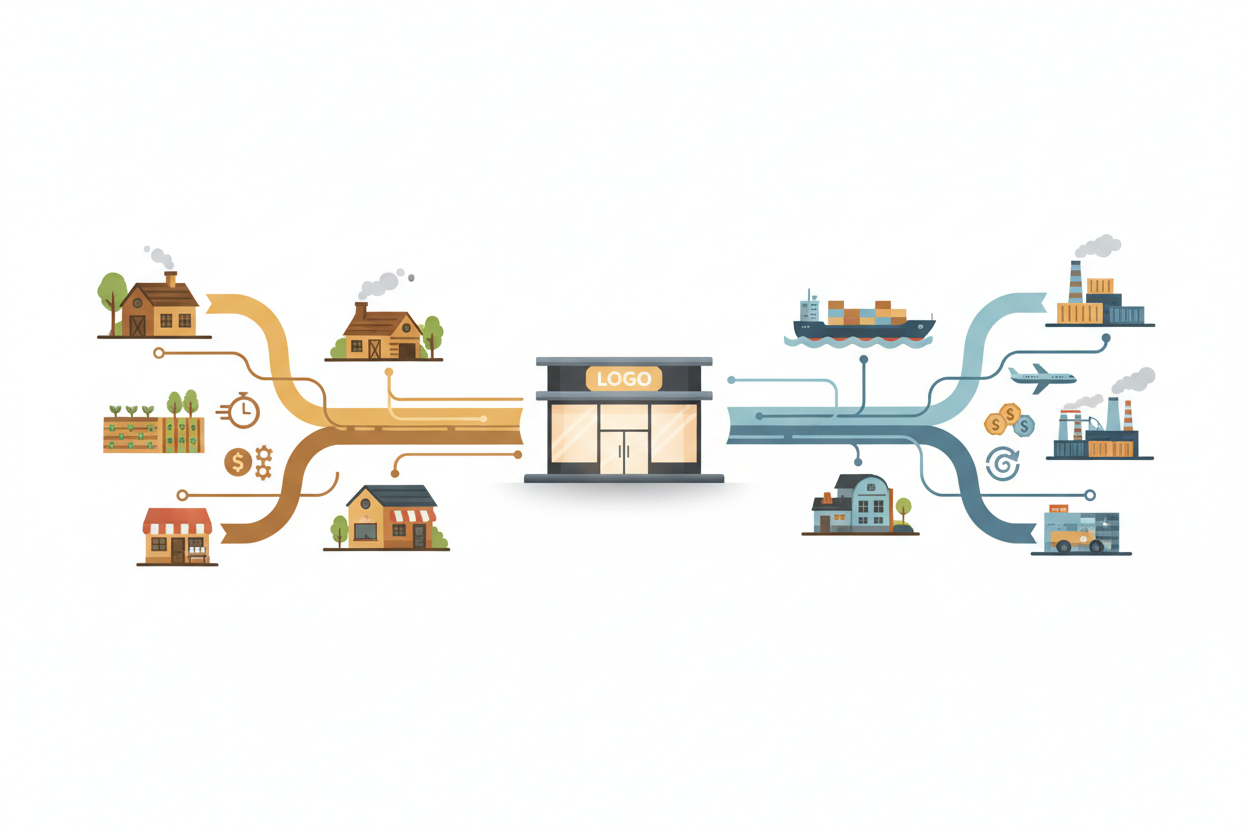
Local businesses often tell me they feel like they’re operating in multiple markets simultaneously. One month they’re serving college students with limited budgets, the next they’re catering to well-compensated medical device engineers. This diversity can be a strength, but it also means traditional risk management approaches often fall short.
Diversification Beyond Traditional Boundaries
When most people think about diversification, they imagine spreading investments across different asset classes or expanding product lines. In Kalamazoo, effective diversification requires thinking more creatively about what constitutes your market.
Take Sarah’s Café, a local restaurant that initially focused on serving the breakfast and lunch crowd near downtown. When the pandemic hit and office workers disappeared, Sarah didn’t just pivot to delivery—she completely reimagined her customer base. She started offering meal prep services for busy healthcare workers, partnered with local farms to create CSA-style meal boxes, and even began catering corporate Zoom meetings with individually packaged meals.
The key insight here is that diversification in Kalamazoo often means diversifying across different economic segments rather than just different products. Your B2B clients might include both scrappy startups and established corporations. Your consumer base might span from price-conscious students to affluent retirees. Building revenue streams that tap into these different segments creates natural hedges against market volatility.
Geographic diversification within the greater Kalamazoo area also deserves consideration. The economic drivers in downtown Kalamazoo differ significantly from those in Portage or the surrounding rural communities. A business that can serve multiple geographic pockets within the region often finds more stability than one concentrated in a single area.
Building Financial Resilience in an Uncertain Environment
Financial planning in Kalamazoo requires a different approach than in more predictable markets. The standard advice of maintaining three to six months of operating expenses in reserve often isn’t sufficient when you’re dealing with the kind of volatility this market can produce.
I’ve seen too many promising businesses struggle not because they lacked customers or good products, but because they didn’t anticipate the unique cash flow challenges this market presents. University-adjacent businesses, for instance, often experience significant seasonal swings that can catch even experienced entrepreneurs off guard.
Smart local business owners have learned to think in terms of scenario planning rather than single-point forecasts. They maintain larger cash reserves during good times, often keeping six to twelve months of expenses readily available. More importantly, they’ve developed relationships with multiple funding sources before they need them.
Local banks like First National Bank of Michigan understand the regional economy better than national chains, but they’re also more conservative during uncertain times. Building relationships with regional lenders, exploring SBA loan options, and even considering alternative financing like revenue-based financing can provide crucial flexibility when traditional funding tightens up.
The key is treating financial resilience as an ongoing process rather than a one-time achievement. Regular stress testing of your financial position, quarterly reviews of cash flow projections, and maintaining open communication with financial partners can make the difference between surviving a downturn and thriving through it.
Supply Chain Risk Management for Local Businesses
The pandemic exposed supply chain vulnerabilities that many Kalamazoo businesses never knew they had. But even before COVID-19, smart local operators were learning that over-reliance on distant suppliers could create unexpected problems.
Weather-related disruptions are more common than many realize. A severe winter storm that shuts down I-94 for a day can ripple through local supply chains for weeks. Summer construction projects that reroute traffic can impact delivery schedules and customer access patterns in ways that national suppliers don’t always anticipate.
The most resilient local businesses have embraced a hybrid approach to supply chain management. They maintain relationships with both local and distant suppliers, understanding that each serves different purposes. Local suppliers offer flexibility and responsiveness but might have higher costs or limited capacity. Distant suppliers provide cost advantages and specialized products but require longer lead times and carry transportation risks.
Building buffer inventory for critical items has become standard practice, but the trick is identifying which items truly are critical. It’s not always the most expensive components—sometimes it’s the small, seemingly insignificant parts that can shut down your entire operation if they’re unavailable.
Developing relationships with backup suppliers before you need them is equally important. This doesn’t mean maintaining active accounts with multiple vendors for every item, but it does mean knowing who you’d call if your primary supplier couldn’t deliver.
Technology and Data-Driven Risk Assessment
Technology has democratized risk management tools that were once available only to large corporations. Small and medium-sized businesses in Kalamazoo now have access to sophisticated analytics and monitoring systems that can help identify risks before they become crises.
Customer relationship management systems aren’t just for tracking sales—they’re early warning systems for customer concentration risk. If you discover that 40% of your revenue comes from three clients, that’s valuable information for risk planning. Similarly, point-of-sale systems can reveal seasonal patterns and help predict cash flow challenges months in advance.
Social media monitoring and online reputation management have become critical risk management tools. A negative review or social media incident can spiral quickly in a market like Kalamazoo, where word-of-mouth still carries significant weight. Automated monitoring tools can alert you to potential issues while they’re still manageable.
Financial management software has evolved to provide real-time insights into cash flow, profitability by customer segment, and other key metrics. The businesses I see thriving are those that use this data proactively rather than just for historical reporting.
Even simple tools like Google Analytics can provide early indicators of market shifts. Changes in website traffic patterns, search terms, or customer behavior online often precede changes in actual purchasing behavior by weeks or months.
Strategic Partnerships and Community Engagement
In larger markets, businesses can often succeed through purely transactional relationships. Kalamazoo’s size and character make strategic partnerships and community engagement not just nice-to-haves, but essential risk management strategies.
The local business community here has a collaborative spirit that’s both genuine and practical. When businesses support each other through referrals, shared resources, and collaborative marketing, they’re not just being neighborly—they’re building a network that can provide crucial support during difficult times.
Partnerships with local educational institutions offer unique opportunities for risk mitigation. Western Michigan University’s business programs provide access to student interns and consulting projects that can help with market research and strategic planning at a fraction of the cost of professional consultants. Kalamazoo College’s strong liberal arts tradition produces graduates with excellent analytical and communication skills.
Engaging with local economic development organizations like Kalamazoo County Government and Southwest Michigan First provides access to resources, funding opportunities, and early intelligence about economic trends and policy changes that could affect your business.
Community involvement isn’t just about corporate social responsibility—it’s about building relationships that can provide crucial support during challenging times. The businesses that weather storms best in this market are often those with the strongest community ties.
Regulatory and Compliance Risk Considerations
Michigan’s regulatory environment can be complex, and changes at the state level can have disproportionate impacts on local businesses. Healthcare-related businesses face additional layers of federal regulation, while manufacturing companies must navigate environmental compliance requirements that can change with shifting political winds.
Staying ahead of regulatory changes requires more than just reactive compliance. It means building relationships with industry associations, subscribing to relevant regulatory updates, and sometimes investing in legal counsel before you think you need it.
Local zoning and municipal regulations deserve particular attention. Kalamazoo’s ongoing downtown revitalization efforts, while positive for the overall economy, can create unexpected compliance challenges for existing businesses. Changes in parking requirements, noise ordinances, or permitted business activities can impact operations in ways that aren’t always obvious until they’re enforced.
The key is treating compliance as an ongoing process rather than a one-time checklist. Regular reviews of your compliance status, staying connected with other business owners who face similar challenges, and maintaining open communication with relevant regulatory bodies can help identify potential issues before they become problems.
Conclusion
Risk management in Kalamazoo’s unpredictable market isn’t about eliminating uncertainty—it’s about building the flexibility and resilience to thrive despite uncertainty. The strategies that work here emphasize relationships over transactions, community over competition, and adaptability over rigid planning.
The businesses that succeed in this market are those that embrace its unique character rather than fighting against it. They understand that the same factors that make Kalamazoo challenging—the economic diversity, the seasonal fluctuations, the mix of traditional and innovative industries—also create opportunities for those prepared to seize them.
Effective risk management here requires a combination of traditional business practices and local insights. It means maintaining healthy cash reserves while building strong community relationships. It means diversifying revenue streams while deepening customer connections. It means planning for multiple scenarios while staying flexible enough to adapt when reality inevitably differs from your projections.
Most importantly, it means recognizing that risk management isn’t a destination but a journey. The market will continue to evolve, new challenges will emerge, and successful businesses will be those that view uncertainty not as a threat to be eliminated, but as a constant companion to be managed with skill, preparation, and a healthy dose of Midwestern pragmatism.