

Financial Help After Divorce: Step-by-Step Guidance for Recovery
Divorce can feel like a financial earthquake, shaking the very foundation of your economic stability. One day you’re sharing expenses, assets, and financial responsibilities with your spouse, and the next, you’re facing the daunting task of rebuilding your financial life from scratch. If you’re reading this, chances are you’re somewhere in that overwhelming space between your old life and your new beginning.
The good news? You’re not alone in this journey, and with the right guidance and strategic planning, financial recovery after divorce is absolutely achievable. While the path ahead might seem uncertain, thousands of people have successfully navigated these waters before you, emerging stronger and more financially independent than ever before.
This comprehensive guide will walk you through every essential step of post-divorce financial recovery, from taking immediate protective measures to building long-term wealth. Whether you’re just starting the divorce process or already finalizing the paperwork, these strategies will help you regain control of your financial future.
Immediate Steps to Protect Your Financial Interests
The moment divorce proceedings begin, your financial protection should become a top priority. Think of this phase as financial triage – you need to stop the bleeding before you can start healing.
Start by gathering every financial document you can find. This includes bank statements, credit card bills, investment accounts, retirement funds, insurance policies, tax returns, and property deeds. Make copies of everything and store them in a secure location outside your home. Many people underestimate how quickly access to these documents can become complicated once divorce proceedings intensify.

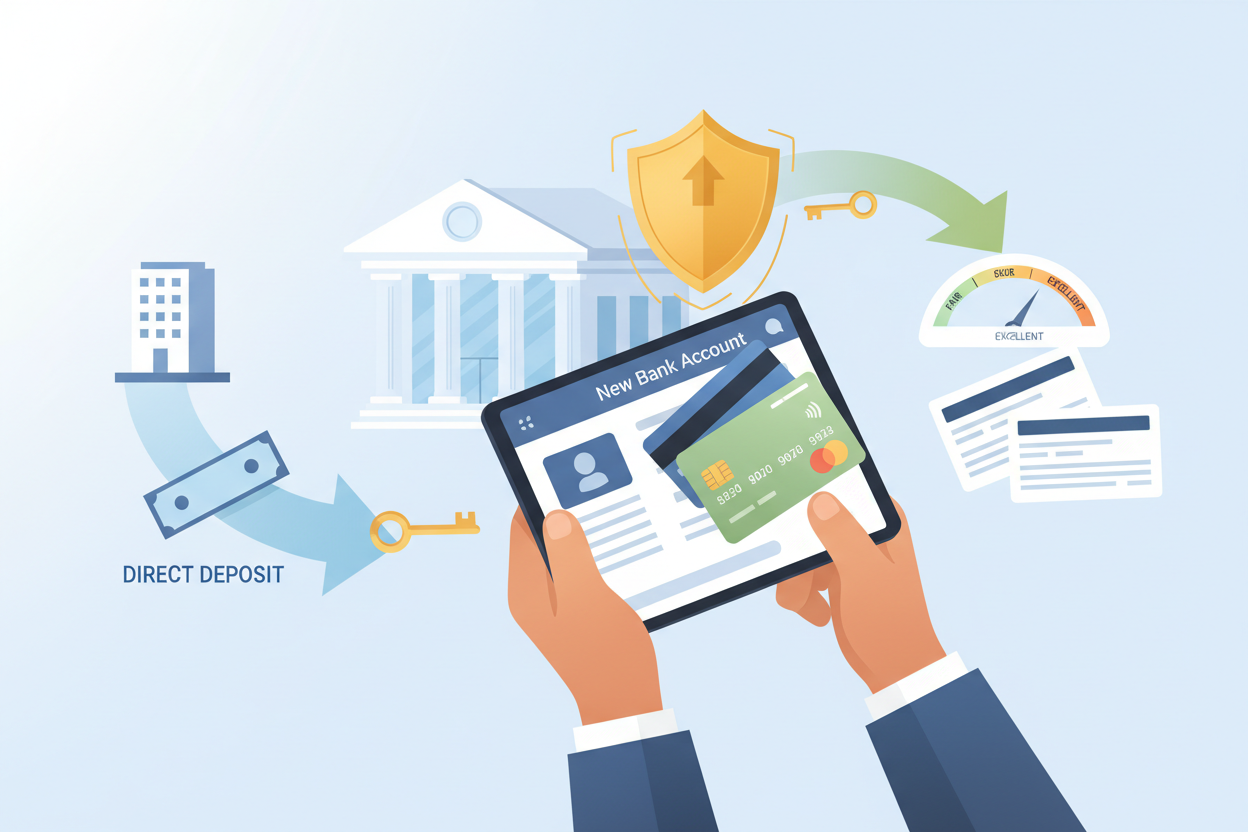
Next, establish your own bank account immediately. This isn’t about hiding money – it’s about ensuring you have access to funds for daily expenses and legal fees. Inform your employer about direct deposit changes and begin redirecting your income to this new account. If you don’t already have credit in your own name, now is the time to apply for a credit card to start building your independent credit history.
Don’t forget to change passwords on all your financial accounts and remove your spouse’s access where appropriate. This includes online banking, investment accounts, and even shared subscription services that automatically charge your accounts.
Understanding Your Divorce Settlement Options
Your divorce settlement will likely be the single most important factor in determining your post-divorce financial health. Understanding your options can mean the difference between struggling for years and achieving financial stability relatively quickly.
Asset division varies significantly depending on whether you live in a community property state or an equitable distribution state. Community property states typically split marital assets 50-50, while equitable distribution states aim for fairness, which doesn’t always mean equal. Research your state’s laws or consult with a financial advisor who specializes in divorce to understand what you might expect.
When it comes to the family home, resist the emotional urge to fight for it at all costs. Many people exhaust their settlement fighting for a house they ultimately can’t afford to maintain. Consider the ongoing costs including mortgage payments, property taxes, insurance, and maintenance. Sometimes, selling the home and splitting the proceeds provides a better foundation for your financial future.
Retirement accounts require special attention during division. Some accounts, like 401(k)s, require a Qualified Domestic Relations Order (QDRO) to divide without penalties. Don’t let these details slip through the cracks – they can cost you thousands in unnecessary taxes and penalties.
Creating Your Post-Divorce Budget
Creating your first post-divorce budget can be an emotional rollercoaster. You’re not just adjusting numbers on a spreadsheet – you’re reimagining your entire lifestyle. This process requires both practical planning and emotional honesty about your new financial reality.
Start by calculating your new monthly income. This includes your salary, any alimony or child support you’ll receive, and investment income. Be conservative in your estimates, especially with variable income sources. It’s better to underestimate and have pleasant surprises than to overestimate and face shortfalls.
Next, list all your new monthly expenses. Some costs will obviously change – you might have a new rent payment or mortgage. Others are less obvious but equally important. You might now pay for services your spouse previously handled, like lawn care or car maintenance. Factor in new costs like therapy, which many people find helpful during this transition.
The 50-30-20 rule can serve as a helpful starting framework: 50% of your income for needs, 30% for wants, and 20% for savings and debt repayment. However, your situation might require modifications. If you’re receiving temporary alimony, you might need to save more aggressively to prepare for when those payments end.
Rebuilding Your Credit Score
Your credit score might have taken a hit during your marriage, especially if your spouse handled the finances or if you went through a contentious divorce involving missed payments. Rebuilding your credit is crucial for your financial independence and future opportunities.
Start by obtaining your free credit reports from all three major credit bureaus. Look for any accounts you don’t recognize or debts that should have been your spouse’s responsibility according to your divorce decree. Dispute any errors immediately – this process can take time, so start early.
If you don’t have much credit history in your own name, consider becoming an authorized user on a family member’s account with good payment history. This can give your score a quick boost while you establish your own credit lines. Just make sure the primary account holder has excellent payment habits.
Pay all bills on time, every time. Set up automatic payments for at least the minimum amounts to ensure you never miss a due date. Even one missed payment can significantly impact your score, especially when you’re rebuilding.
Keep your credit utilization low – ideally below 30% of your available credit limits, but even lower is better. If you need to make large purchases, consider spreading them across multiple cards or paying down balances before your statement closing dates.
Exploring Financial Assistance Programs
Don’t let pride prevent you from exploring assistance programs that could provide crucial support during your transition. Many programs exist specifically to help people in situations like yours, and using them strategically can accelerate your financial recovery.
If you have children, investigate local and state programs for single parents. These might include assistance with childcare costs, food programs, utility assistance, or even educational grants. Many communities have nonprofit organizations specifically designed to help newly divorced individuals get back on their feet.
For housing assistance, look into programs beyond traditional welfare. Some organizations offer transitional housing programs, down payment assistance for home purchases, or rental assistance programs. Your local housing authority can provide information about programs in your area.
Don’t overlook professional development assistance. Many community colleges and workforce development programs offer free or low-cost training programs that could help you increase your earning potential. Some programs even provide childcare during classes.
Building an Emergency Fund
An emergency fund becomes even more critical when you’re financially independent for the first time in years. Without a spouse’s income to fall back on, you need a robust safety net to handle unexpected expenses or income disruptions.
Start small if necessary. Even saving $25 per week adds up to over $1,300 in a year. The key is consistency rather than the amount. Set up automatic transfers to a separate savings account so the money moves before you’re tempted to spend it elsewhere.
Aim for three to six months of expenses, but don’t let this seemingly large goal discourage you from starting. Begin with a mini-goal of $1,000, which can cover many common emergencies like car repairs or medical bills. Once you reach that milestone, gradually increase your target.
Keep your emergency fund in a high-yield savings account that’s easily accessible but separate from your checking account. This reduces the temptation to dip into it for non-emergencies while still allowing quick access when you truly need it.
Planning for Long-Term Financial Goals
While it’s important to focus on immediate financial stability, don’t neglect your long-term financial health. Your divorce might actually present an opportunity to create a more intentional and personally aligned financial plan than you had during marriage.
Retirement planning takes on new urgency when you’re single. You can’t rely on a spouse’s retirement savings or Social Security benefits. If your divorce settlement included retirement assets, make sure they’re properly invested for growth. If you’re starting from scratch, take advantage of catch-up contributions if you’re over 50.
Consider your insurance needs carefully. You might need to obtain your own health insurance, increase your life insurance coverage if you have dependents, or adjust your disability insurance. These decisions can significantly impact both your current budget and your long-term financial security.
Estate planning becomes crucial as a single person. Update your will, beneficiary designations, and power of attorney documents. If you have children, consider setting up a trust to ensure their financial security if something happens to you.
Seeking Professional Financial Guidance
Navigating post-divorce finances can be overwhelming, and there’s no shame in seeking professional help. The right financial advisor can help you avoid costly mistakes and accelerate your path to financial independence.
Look for advisors who have experience with divorce financial planning. Some advisors specialize in this area and understand the unique challenges you’re facing. They can help you evaluate settlement offers, plan for tax implications, and create strategies for your new financial reality.
If hiring a financial advisor isn’t in your budget immediately, consider starting with a fee-only financial planner for a one-time consultation. Many charge reasonable hourly rates to review your situation and provide specific recommendations you can implement on your own.
Don’t overlook free resources either. Many banks and credit unions offer free financial counseling to their customers. Nonprofit credit counseling agencies can help with debt management and budgeting strategies. Online tools and apps can help you track spending and savings goals.
Moving Forward with Confidence
Financial recovery after divorce is rarely a straight line. You’ll have good months and challenging ones, victories and setbacks. The key is maintaining momentum and celebrating progress, even when it feels slow.
Remember that this transition period is temporary. While it might feel overwhelming now, most people find that their financial situation stabilizes within one to two years after divorce. Focus on building good habits and making steady progress rather than trying to solve everything at once.
Your divorce might have disrupted your financial life, but it also represents a fresh start. You now have the opportunity to build a financial future that truly reflects your values and goals. With patience, planning, and persistence, you can emerge from this challenging time stronger and more financially secure than ever before.
Take it one step at a time, celebrate small victories, and remember that seeking help is a sign of strength, not weakness. Your financial independence is not just possible – it’s inevitable with the right approach and mindset.