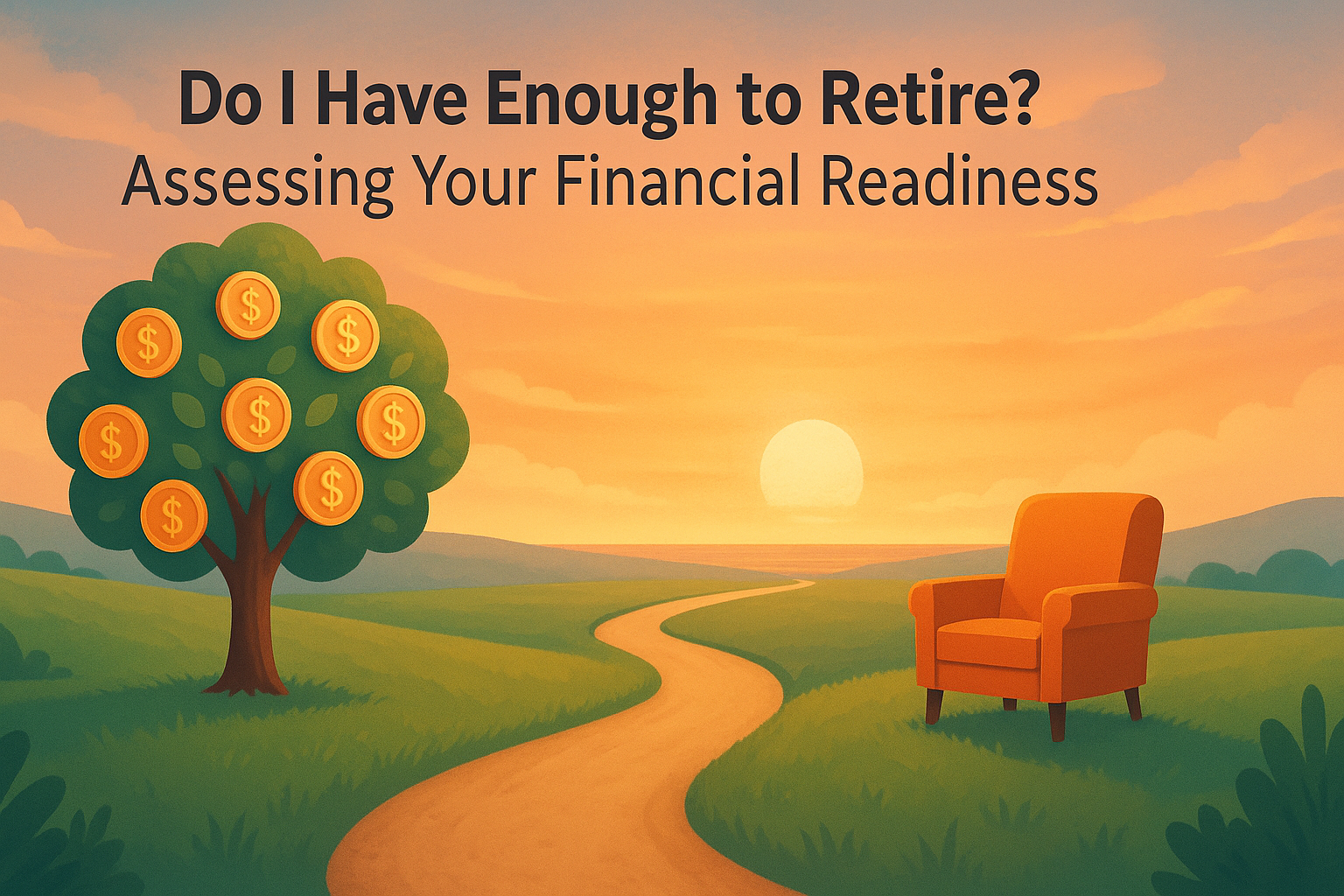
Do I Have Enough to Retire? Assessing Your Financial Readiness
Retirement is a significant milestone that marks the beginning of a new chapter in life. It’s a time to enjoy the fruits of your labor, explore new hobbies, and perhaps travel to places you’ve always dreamed of visiting. But before you can embark on this exciting journey, one crucial question needs to be answered: “Do I have enough to retire?” Assessing your financial readiness for retirement is essential to ensure you can maintain a comfortable lifestyle without the stress of financial uncertainty. In this blog post, we’ll delve into the key factors you need to consider to determine if you’re financially ready to retire.
Understanding Your Retirement Goals
The first step in assessing your financial readiness is to clearly define your retirement goals. Retirement looks different for everyone, so it’s essential to consider what it means to you personally. Do you envision traveling the world, spending more time with family, or pursuing new hobbies? Perhaps you dream of living in a different country or starting a small business. Whatever your aspirations, having a clear vision will help you estimate the amount of money you’ll need.

Calculating Your Retirement Expenses
Once you’ve identified your retirement goals, the next step is to estimate your retirement expenses. This includes both essential and discretionary spending. Consider the following categories:
Essential Expenses
These are the costs that you will incur regardless of your lifestyle choices, such as housing, utilities, groceries, and healthcare. It’s crucial to account for potential increases in healthcare costs as you age, as they can significantly impact your budget.

Discretionary Expenses
Discretionary expenses include travel, hobbies, dining out, and other leisure activities. These are the costs that can vary based on your lifestyle preferences and retirement goals.
By estimating your monthly and annual expenses, you can get a clearer picture of the income you’ll need during retirement.
Evaluating Your Income Sources
After calculating your expected expenses, the next step is to assess your income sources during retirement. These may include:
Social Security Benefits
Social Security is a vital source of income for many retirees. Understanding how much you can expect to receive is critical. You can check your benefits statement on the Social Security Administration’s website to get a personalized estimate.
Pension Plans
If you’re fortunate enough to have a pension plan, determine how much you’ll receive and when the payments will begin. This can provide a stable income stream during retirement.
Retirement Savings Accounts
Your 401(k), IRA, or other retirement accounts are essential components of your retirement income. Review your account balances and consider how much you can safely withdraw each year. A common rule of thumb is the 4% rule, which suggests withdrawing 4% of your savings annually to ensure your money lasts throughout your retirement.
Other Investments and Passive Income
Consider any additional income sources, such as dividends from stocks, rental income from properties, or other investments that could supplement your retirement income.
Factoring in Inflation and Longevity
When planning for retirement, it’s essential to account for inflation and longevity. Inflation can erode your purchasing power over time, meaning that the money you have today may not be worth as much in the future. Ensure your retirement plan includes an inflation-adjusted growth strategy. Additionally, with advances in healthcare, people are living longer, which means your retirement savings may need to last for several decades.
Creating a Retirement Budget
With a clear understanding of your expected expenses and income sources, you can create a retirement budget. This will help you manage your finances effectively and ensure that your spending aligns with your retirement goals. Regularly reviewing and adjusting your budget can help you stay on track and make necessary changes as your circumstances evolve.
Seeking Professional Advice
Assessing your financial readiness for retirement can be complex, and it may be beneficial to seek professional advice. Financial advisors can help you evaluate your current financial situation, create a comprehensive retirement plan, and provide guidance on investment strategies to grow your wealth. They can also assist with tax planning to maximize your retirement income.
Conclusion
Determining whether you have enough to retire requires careful planning and consideration of various factors. By understanding your retirement goals, calculating your expenses, evaluating your income sources, accounting for inflation and longevity, and seeking professional advice, you can gain confidence in your financial readiness. Remember, retirement is a personal journey, and taking the time to plan now will help you enjoy the fulfilling and stress-free retirement you’ve always envisioned.