

Financial Planning for Business Owners: Strategies for Growth
Running a business is like steering a ship through ever-changing waters. One moment you’re riding high on a wave of success, and the next, you’re navigating through choppy financial seas. As a business owner, your relationship with money isn’t just about keeping the lights on – it’s about creating a roadmap that transforms your entrepreneurial dreams into sustainable growth.
Financial planning for business owners goes far beyond basic bookkeeping. It’s the difference between businesses that merely survive and those that thrive, scale, and eventually become industry leaders. Whether you’re launching your first venture or looking to expand an existing operation, understanding how to strategically manage your finances can make or break your business journey.
The reality is that most business owners wear multiple hats – you’re the CEO, marketing director, customer service representative, and often the janitor too. With so many responsibilities pulling at your attention, financial planning can easily take a backseat. However, this oversight can cost you dearly in missed opportunities, cash flow crises, and stunted growth potential.
Understanding Your Current Financial Position
Before you can chart a course for growth, you need to know exactly where you stand today. Think of this as taking a financial snapshot of your business – one that captures both your strengths and areas that need immediate attention.
Start by conducting a comprehensive financial audit. This means gathering all your financial statements, including profit and loss reports, balance sheets, and cash flow statements from at least the past two years. Don’t worry if your records aren’t perfect; the goal is to establish a baseline understanding of your business’s financial health.
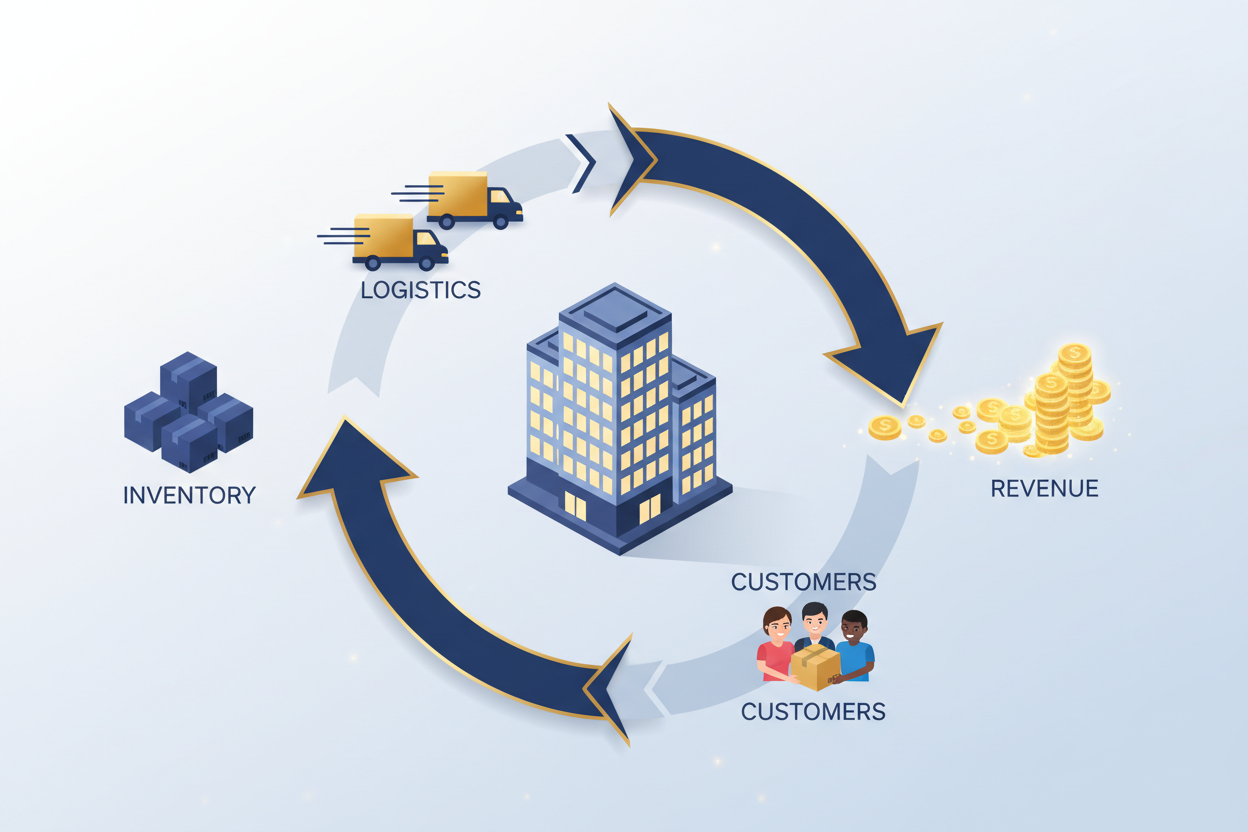
Pay particular attention to your cash conversion cycle – the time it takes for your business to convert inventory and other investments back into cash. This metric often reveals hidden inefficiencies that could be choking your growth potential. Many successful business owners discover that they can significantly improve their cash position simply by optimizing payment terms with customers or negotiating better arrangements with suppliers.
Your debt-to-equity ratio deserves special scrutiny as well. While some debt can fuel growth, too much can become a growth inhibitor. Calculate what percentage of your business is financed through debt versus equity, and consider whether this balance supports or hinders your expansion plans.
Creating a Strategic Budget for Growth
A growth-oriented budget is fundamentally different from a maintenance budget. Instead of simply covering existing expenses, you’re allocating resources to initiatives that will generate future revenue and expand your market presence.
Start by identifying your revenue drivers – the specific activities, products, or services that contribute most significantly to your bottom line. This analysis helps you prioritize where to invest your limited resources for maximum impact. For instance, if 80% of your revenue comes from repeat customers, investing in customer retention programs might yield better returns than expensive new customer acquisition campaigns.
Build flexibility into your budget by creating different scenarios. Develop a conservative projection based on current trends, an optimistic version assuming favorable market conditions, and a pessimistic model that accounts for potential setbacks. This three-scenario approach helps you prepare for various outcomes and make informed decisions when circumstances change.
Don’t forget to budget for the unexpected. Successful business owners typically set aside 10-15% of their revenue for opportunities and emergencies. This might seem like a luxury when cash is tight, but it’s often the difference between businesses that can pivot quickly during market changes and those that get left behind.
Cash Flow Management Essentials
Cash flow is the lifeblood of any business, and managing it effectively can mean the difference between seizing growth opportunities and watching them slip away. Many profitable businesses fail simply because they run out of cash at critical moments.
Implement a rolling 13-week cash flow forecast that you update weekly. This forward-looking approach helps you anticipate cash shortages before they become critical and identify periods when you’ll have excess cash to invest in growth initiatives. The 13-week timeframe is particularly effective because it covers a full business quarter while remaining detailed enough to guide weekly decisions.
Accelerate your cash collection by offering early payment discounts to customers. Even a 2% discount for payments within 10 days can significantly improve your cash position, especially if your typical collection period is 30-45 days. The improved cash flow often more than compensates for the discount given.
On the payment side, negotiate favorable terms with suppliers without damaging relationships. Many vendors offer extended payment terms to reliable customers, and some provide discounts for annual prepayments. These arrangements can help you optimize cash flow timing to support growth investments.
Investment Strategies for Business Expansion
Smart business owners understand that growth requires strategic investment, but knowing where and how much to invest can be challenging. The key is balancing aggressive growth pursuits with prudent risk management.
Technology investments often provide the highest returns for growing businesses. Whether it’s upgrading your customer relationship management system, automating routine processes, or implementing better inventory management software, technology can multiply your team’s effectiveness and create scalable systems that support larger operations.
Consider the timing of major investments carefully. Market conditions, seasonal business patterns, and your current cash position all influence when investments will be most effective. For example, if your business experiences seasonal fluctuations, timing major investments for your slower periods can help you prepare for peak seasons while minimizing operational disruption.
Human capital investments deserve special attention in your growth planning. Hiring the right people at the right time can accelerate growth, but premature hiring can drain resources. Focus on roles that directly contribute to revenue generation or significantly improve operational efficiency. Sales professionals, key technical positions, and experienced managers often provide the best return on investment during growth phases.
Tax Planning and Optimization
Effective tax planning isn’t just about minimizing your current tax bill – it’s about structuring your business finances to support long-term growth while maintaining compliance with tax regulations.
Work with a qualified accountant to explore tax-advantaged investment opportunities. Retirement plans, equipment purchases, and research and development activities often provide immediate tax benefits while supporting business growth. The key is timing these investments to maximize both operational benefits and tax advantages.
Consider your business structure carefully as you grow. The entity type that made sense when you started might not be optimal for your current size and growth trajectory. S-corporations, partnerships, and LLCs each offer different tax advantages depending on your specific situation, revenue levels, and growth plans.
Don’t overlook state and local tax implications, especially if you’re considering expansion into new markets. Some states offer significant tax incentives for businesses that create jobs or invest in certain regions. These incentives can substantially impact your expansion costs and should factor into your location decisions.
Risk Management and Insurance Considerations
Growth inherently involves risk, but smart business owners distinguish between calculated risks that drive growth and unnecessary exposures that could derail their progress. Proper risk management protects your growth investments and ensures that setbacks don’t become catastrophic failures.
Evaluate your insurance coverage regularly as your business grows. The coverage that protected your startup might be inadequate for your expanding operation. Professional liability, cyber security insurance, and key person insurance become increasingly important as your business grows and takes on more complex risks.
Diversification strategies help protect against market volatility and customer concentration risk. If a single customer represents more than 20% of your revenue, developing additional revenue streams should be a priority. Similarly, if your business depends heavily on one product or service, expanding your offerings can provide stability during market fluctuations.
Create contingency plans for various scenarios, including economic downturns, key employee departures, and supply chain disruptions. Having predetermined responses to these situations helps you react quickly and maintain operations during challenging periods.
Building Long-term Wealth Through Your Business
While growing your business is important, building personal wealth through your business requires additional strategic thinking. Many business owners get so focused on reinvesting profits that they neglect their own financial security.
Establish clear criteria for when to reinvest profits versus when to take distributions. A common approach is to maintain 3-6 months of operating expenses in business reserves, then allocate additional profits between reinvestment and personal wealth building based on growth opportunities and personal financial goals.
Consider the exit strategy implications of your current financial decisions. Whether you plan to sell your business, pass it to family members, or maintain ownership long-term, your current financial structure should support your eventual exit plans. This might influence decisions about debt levels, asset ownership, and business structure.
Don’t put all your wealth eggs in your business basket. While your business might be your primary wealth-building vehicle, diversifying into other investments provides security and liquidity that business ownership alone cannot offer.
Conclusion
Financial planning for business owners isn’t a one-time activity – it’s an ongoing process that evolves with your business and market conditions. The strategies that fuel growth today might need adjustment as your business matures and market dynamics shift.
The most successful business owners treat financial planning as a competitive advantage rather than a necessary evil. They understand that sound financial management creates options – the option to pursue new opportunities, weather unexpected challenges, and ultimately build sustainable wealth through their business ventures.
Remember that financial planning doesn’t require perfection, but it does require action. Start with the basics: understand your current position, create realistic budgets, manage cash flow proactively, and gradually implement more sophisticated strategies as your business grows. The key is to begin where you are, use what you have, and do what you can with the resources available to you.
Your business has the potential to be more than just a source of income – it can be the foundation for long-term financial security and wealth building. With proper financial planning and strategic execution, you can transform your entrepreneurial vision into lasting financial success.