

Creating a Legacy Plan: Ensuring Your Wealth’s Impact Endures
When you think about your life’s work, what comes to mind? Perhaps it’s the business you built from scratch, the investments you carefully cultivated, or the family you’ve nurtured. Whatever your achievements, there’s something deeply meaningful about knowing that your efforts will continue to make a difference long after you’re gone. That’s where legacy planning comes into play – a thoughtful approach to ensuring your wealth creates lasting impact for generations to come.
Legacy planning goes far beyond simply writing a will or setting up a trust. It’s about crafting a comprehensive strategy that reflects your values, protects your assets, and creates meaningful opportunities for those you care about most. Whether you’re just starting to build wealth or you’re already established in your financial journey, understanding the fundamentals of legacy planning can help you make decisions today that will resonate for decades.

Understanding the Foundation of Wealth Legacy Planning
At its core, wealth legacy planning is the strategic process of preserving and transferring your assets while minimizing taxes and maximizing the positive impact on your beneficiaries. But here’s what many people don’t realize: effective legacy planning isn’t just about money. It’s about transferring values, wisdom, and opportunities that can empower future generations to thrive.
Think of legacy planning as building a bridge between your current financial success and your family’s future prosperity. This bridge needs to be strong enough to withstand economic storms, flexible enough to adapt to changing circumstances, and purposeful enough to guide your beneficiaries toward meaningful goals.
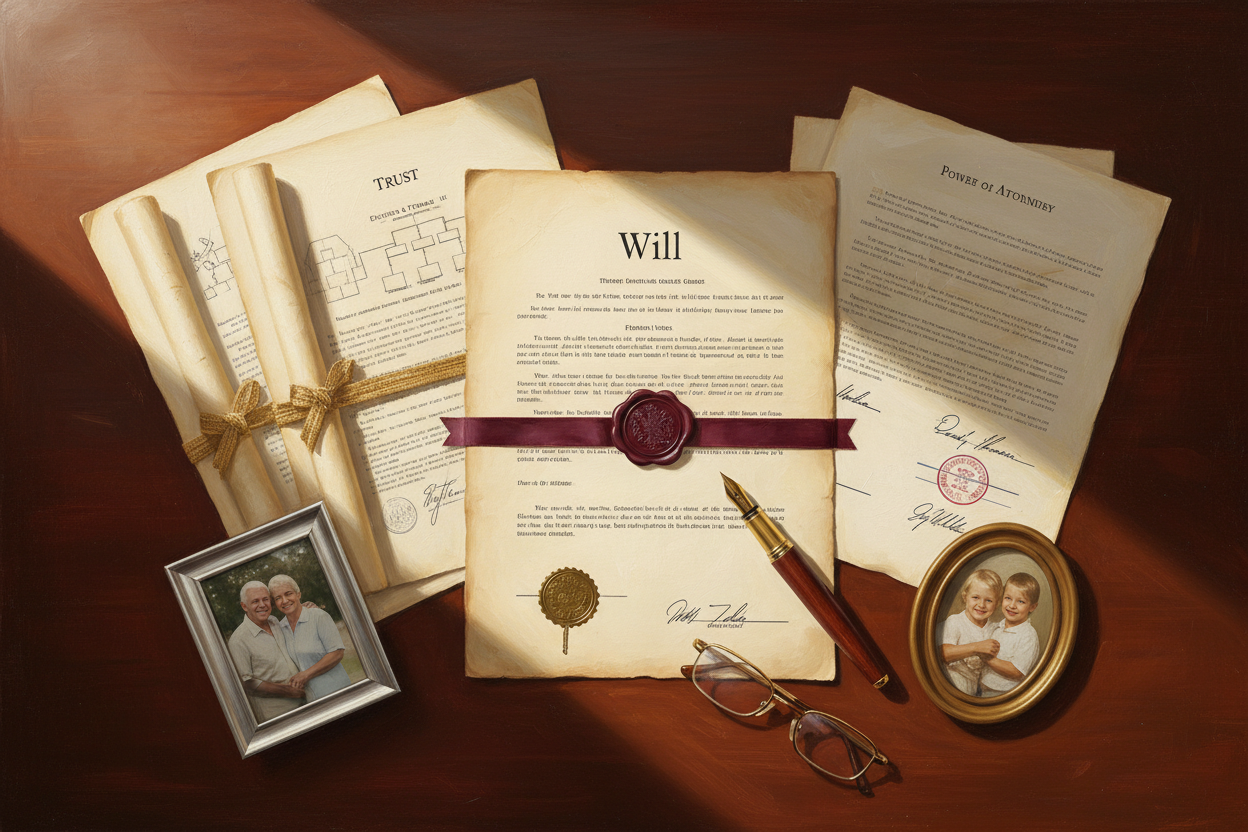
The most successful legacy plans typically include several key components: estate planning documents, tax optimization strategies, wealth preservation techniques, and what many experts call “human capital development” – essentially preparing your heirs to be responsible stewards of the wealth they’ll inherit.
Essential Components of a Comprehensive Legacy Strategy
Creating an effective legacy plan requires careful attention to multiple moving parts. Let’s explore the fundamental elements that work together to protect and preserve your wealth for future generations.
Your estate planning documents form the legal backbone of your legacy strategy. This includes your will, which outlines how you want your assets distributed, but it also encompasses more sophisticated tools like revocable living trusts, which can help your estate avoid probate and provide greater privacy for your family. Power of attorney documents ensure that someone you trust can make financial and medical decisions if you become unable to do so yourself.
Tax planning represents another crucial piece of the puzzle. Without proper planning, estate taxes, gift taxes, and generation-skipping transfer taxes can significantly erode the wealth you’ve worked so hard to build. Strategic gifting during your lifetime, establishing charitable trusts, and utilizing tax-advantaged accounts can all play important roles in minimizing the tax burden on your estate.
Asset protection strategies help shield your wealth from potential creditors, lawsuits, and other threats. This might involve establishing domestic or offshore trusts, maintaining appropriate insurance coverage, or structuring your business interests in ways that provide additional protection.
Maximizing Generational Wealth Transfer Strategies
One of the most powerful aspects of legacy planning is its ability to create wealth that grows across generations. The key lies in understanding and implementing strategies that not only preserve your current assets but also position them for continued growth over time.
Grantor trusts offer particularly compelling opportunities for wealth transfer. These specialized trusts allow you to transfer appreciating assets to beneficiaries while retaining certain benefits during your lifetime. For example, a grantor retained annuity trust (GRAT) can be an excellent vehicle for transferring growth in volatile assets to your heirs while minimizing gift tax implications.
Family limited partnerships represent another sophisticated strategy for transferring wealth while maintaining some control over family assets. By gifting limited partnership interests to family members, you can transfer wealth at discounted values for gift tax purposes while retaining management control as the general partner.
Don’t overlook the power of education funding strategies. Establishing 529 education savings plans or educational trusts not only provides tax advantages but also demonstrates your commitment to investing in your family’s human capital. After all, education is one gift that can never be taken away and often provides returns that far exceed traditional investments.
Tax Optimization Techniques for Estate Preservation
Taxes can be one of the biggest threats to your legacy, but with proper planning, you can significantly reduce their impact. Understanding the current tax landscape and implementing appropriate strategies can mean the difference between leaving your family a substantial inheritance or watching much of it disappear to government coffers.
The annual gift tax exclusion allows you to give a certain amount to each recipient every year without triggering gift taxes or using up your lifetime exemption. For 2024, this amount is $18,000 per recipient, and it’s $36,000 for married couples making joint gifts. This might not seem like much, but over time and across multiple family members, these gifts can transfer substantial wealth tax-free.
Charitable giving strategies can provide significant tax benefits while allowing you to support causes you care about. Charitable remainder trusts, for instance, can provide you with income during your lifetime while ultimately benefiting charity and reducing your taxable estate. Donor-advised funds offer another flexible approach to charitable giving that can provide immediate tax deductions while allowing you to recommend grants to specific charities over time.
Life insurance can play a crucial role in estate tax planning, particularly when held in an irrevocable life insurance trust. This strategy can provide liquidity to pay estate taxes while keeping the insurance proceeds out of your taxable estate. For business owners, life insurance can also fund buy-sell agreements or provide liquidity for estate taxes without forcing the sale of business interests.
Building Sustainable Family Wealth Structures
Creating wealth that lasts for generations requires more than just smart financial planning – it demands the establishment of structures and systems that can adapt to changing circumstances while maintaining their core purpose. Think of this as creating the institutional framework for your family’s financial future.
Family governance structures can help ensure that your wealth serves its intended purpose across generations. This might involve establishing a family council to make decisions about philanthropic activities, creating investment committees to oversee family assets, or developing family employment policies that encourage younger generations to pursue their own careers before joining family enterprises.
Perpetual trusts, where legally permissible, can provide a framework for wealth to continue growing and benefiting your family for many generations. These trusts can be structured to provide flexibility for changing family circumstances while maintaining protection from taxes and creditors.
Regular family meetings can help maintain communication and alignment around your family’s values and goals. These gatherings provide opportunities to educate younger family members about financial responsibility, discuss family philanthropic activities, and ensure that everyone understands their roles and responsibilities as stewards of family wealth.
Preparing the Next Generation for Wealth Stewardship
Perhaps the most critical aspect of legacy planning is ensuring that the next generation is prepared to handle the responsibilities that come with inherited wealth. Statistics show that a significant percentage of wealthy families lose their wealth within a few generations, often due to inadequate preparation of heirs rather than poor investment performance.
Financial education should begin early and continue throughout your children’s lives. This doesn’t mean overwhelming young children with complex investment concepts, but rather teaching age-appropriate lessons about money management, the value of work, and the importance of giving back to the community.
Encouraging your children to develop their own careers and identities separate from family wealth can help them build confidence and skills that will serve them well as future wealth stewards. Many successful families require younger generations to work outside the family business for several years before joining family enterprises.
Gradual wealth transfer can help prepare heirs for larger inheritances. Rather than waiting until your death to transfer wealth, consider providing smaller amounts during your lifetime so you can observe how your beneficiaries handle financial responsibility and provide guidance when needed.
Common Legacy Planning Mistakes to Avoid
Even well-intentioned legacy planning efforts can go awry if certain pitfalls aren’t avoided. Learning from the mistakes of others can help you create a more robust and effective plan.
One of the most common mistakes is procrastination. Many people delay legacy planning because they find it uncomfortable to think about death or because they believe they don’t have enough wealth to warrant sophisticated planning. The truth is that legacy planning is beneficial for families at all wealth levels, and the sooner you start, the more options you’ll have available.
Failing to communicate with family members about your plans can create confusion, resentment, and conflict after your death. While you don’t need to share every detail of your estate plan, having open conversations about your values, expectations, and general intentions can help prevent misunderstandings and family disputes.
Another significant mistake is creating overly rigid plans that can’t adapt to changing circumstances. Laws change, family situations evolve, and economic conditions fluctuate. Your legacy plan should include mechanisms for adaptation and regular review to ensure it continues to serve your goals effectively.
Neglecting to coordinate your various planning strategies can also create problems. Your estate plan, business succession plan, retirement planning, and insurance strategies should all work together harmoniously rather than at cross-purposes.
Working with Professional Legacy Planning Advisors
Creating an effective legacy plan typically requires expertise from multiple professional disciplines. While it might be tempting to try to handle everything yourself, the complexity of modern tax laws and estate planning strategies makes professional guidance invaluable.
Your advisory team should typically include an estate planning attorney who specializes in wealth transfer strategies, a certified public accountant with expertise in estate and gift taxation, and a financial advisor who understands sophisticated investment and insurance strategies. Depending on your situation, you might also need business valuation experts, trust officers, or family business consultants.
When selecting advisors, look for professionals who have experience working with families in situations similar to yours. They should be able to explain complex concepts in understandable terms and should demonstrate a genuine interest in understanding your unique goals and values.
Regular communication and coordination among your advisors is essential. Consider holding periodic meetings where all your key advisors can discuss your situation together and ensure that everyone is working toward the same objectives.
Conclusion: Your Lasting Impact Starts Today
Creating a legacy that endures isn’t just about preserving wealth – it’s about preserving the values, opportunities, and positive impact that wealth can create. The decisions you make today about how to structure, protect, and transfer your assets will ripple through generations, affecting not only your direct descendants but also the broader community through your family’s philanthropic activities and economic contributions.
Remember that legacy planning is not a one-time event but an ongoing process that should evolve as your family grows and changes. The key is to start with a solid foundation based on your core values and long-term objectives, then build upon that foundation with appropriate legal structures, tax strategies, and family governance systems.
Your legacy is ultimately about more than money – it’s about the difference you make in the world and the positive impact that continues long after you’re gone. By taking thoughtful action today to create a comprehensive legacy plan, you’re not just protecting your wealth; you’re ensuring that your life’s work continues to create opportunities, solve problems, and make the world a better place for generations to come.
The time to begin planning your legacy is now. Every day you delay is a day of potential growth, tax savings, and family preparation that you can’t recover. Your family’s future – and your lasting impact on the world – depends on the choices you make today.