
Crafting a Personalized Financial Plan: A How-To Guide
Financial planning isn’t just for the wealthy or those nearing retirement. Whether you’re a recent graduate drowning in student loans or a mid-career professional juggling mortgage payments and kids’ college funds, having a personalized financial plan is your roadmap to financial freedom. I’ve seen countless people transform their financial lives simply by taking the time to create a plan that actually fits their unique circumstances.
The truth is, generic financial advice rarely works because everyone’s situation is different. Your neighbor’s investment strategy might be completely wrong for you, and that’s okay. What matters is building a plan that aligns with your goals, income, expenses, and risk tolerance. Let’s dive into how you can create a financial plan that’s as unique as your fingerprint.
Understanding Your Current Financial Position
Before you can chart a course to your financial destination, you need to know exactly where you’re starting from. This means taking a brutally honest look at your current financial situation – and I mean everything.
Start by calculating your net worth. List all your assets: checking and savings accounts, retirement accounts, investment portfolios, real estate, vehicles, and any other valuable possessions. Then subtract all your debts: credit cards, student loans, mortgages, car loans, and personal loans. The resulting number is your net worth, and it might surprise you – either positively or negatively.

Don’t get discouraged if your net worth is negative. Many people, especially younger individuals, start with negative net worth due to student loans or other debts. What’s important is understanding this baseline so you can track your progress over time.
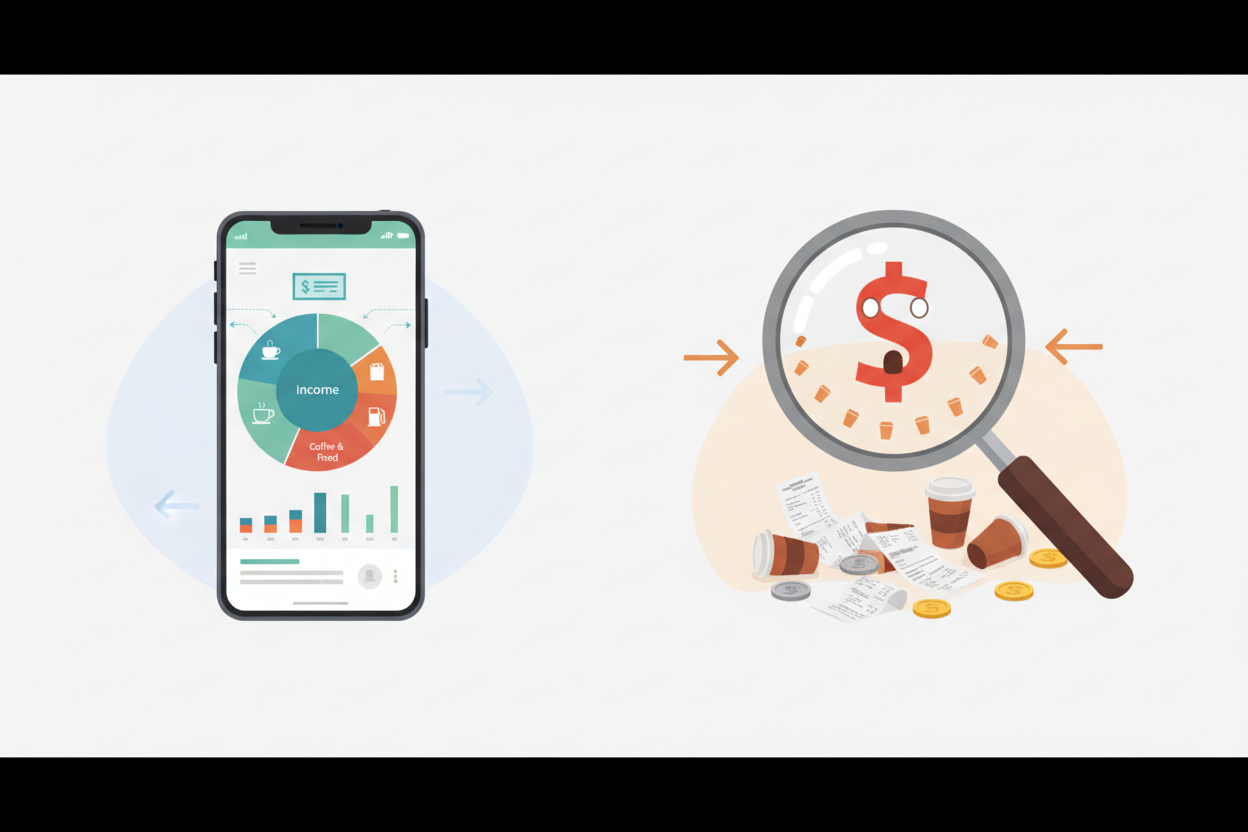
Next, analyze your cash flow by tracking your income and expenses for at least one month, though three months will give you a more accurate picture. Use apps like Mint, YNAB, or even a simple spreadsheet to categorize every dollar that comes in and goes out. This exercise often reveals spending patterns that might shock you – like that daily coffee habit costing you $1,500 annually.
Setting Clear and Achievable Financial Goals
Financial goals give your money purpose and direction. Without them, you’re essentially driving without a destination, which rarely leads anywhere meaningful. The key is setting goals that are specific, measurable, achievable, relevant, and time-bound – what financial planners call SMART goals.
Start with short-term goals that you can achieve within one year. These might include building a $1,000 emergency fund, paying off a credit card, or saving for a vacation. Short-term wins build momentum and confidence for tackling larger objectives.
Medium-term goals typically span one to five years and might include saving for a house down payment, paying off student loans, or building a six-month emergency fund. These goals require more discipline and strategic planning but are still concrete enough to feel achievable.
Long-term goals extend beyond five years and often include retirement planning, children’s education funds, or paying off your mortgage early. While these goals might seem distant, starting early gives you the powerful advantage of compound interest working in your favor.
Remember to prioritize your goals. You can’t tackle everything at once without spreading yourself too thin. Generally, it makes sense to focus on high-interest debt elimination and emergency fund building before moving on to longer-term investment goals.
Creating Your Personal Budget Framework
A budget isn’t about restricting your life – it’s about giving every dollar a job so you can spend confidently on what matters most to you. The best budget is one you’ll actually stick to, which means it needs to be realistic and flexible enough to accommodate your lifestyle.
The 50/30/20 rule is a great starting point for many people. Allocate 50% of your after-tax income to needs (housing, utilities, groceries, minimum debt payments), 30% to wants (dining out, entertainment, hobbies), and 20% to savings and debt repayment beyond minimums. However, don’t feel locked into these percentages if they don’t work for your situation.
If you’re dealing with high-interest debt, you might need to temporarily reduce the “wants” category to accelerate debt payoff. Conversely, if you’re debt-free with a solid emergency fund, you might increase investments beyond the standard 20%.
Zero-based budgeting is another effective approach where you assign every dollar of income to a specific category until you reach zero. This method ensures nothing falls through the cracks and can be particularly helpful if you have irregular income.
Whatever method you choose, build in some flexibility. Life happens, and your budget should accommodate unexpected expenses without derailing your entire financial plan. Consider creating a miscellaneous category for those surprise costs that always seem to pop up.
Building Your Emergency Fund Strategy
An emergency fund isn’t just a nice-to-have – it’s the foundation of financial security. Without one, any unexpected expense can send you spiraling into debt, undoing months or years of financial progress.
Start with a mini emergency fund of $1,000 if you’re paying off debt, or one month’s expenses if you’re debt-free. This smaller fund handles minor emergencies while you work on other financial priorities. Once you’ve tackled high-interest debt, build your emergency fund to three to six months of expenses.
The exact size of your emergency fund depends on your job security, family situation, and personal comfort level. If you’re in a stable job with predictable income, three months might suffice. However, if you’re self-employed, work in a volatile industry, or have dependents, aim for six months or more.
Keep your emergency fund in a separate, easily accessible account – preferably a high-yield savings account that earns some interest but doesn’t tempt you to spend it on non-emergencies. Online banks often offer better interest rates than traditional brick-and-mortar institutions.
Automate your emergency fund contributions by setting up automatic transfers from your checking account. Even $50 per month adds up over time, and automation removes the temptation to skip contributions when money feels tight.
Developing Your Investment Approach
Investing can feel intimidating, but it’s essential for building long-term wealth. The key is starting with a strategy that matches your risk tolerance, time horizon, and financial goals.
Begin by maximizing any employer 401(k) match – this is literally free money. If your employer matches 50% of your contributions up to 6% of your salary, contribute at least 6% to capture the full match. This provides an immediate 50% return on your investment, which is impossible to beat in the market.
For additional retirement savings, consider opening an IRA. A Roth IRA offers tax-free growth and withdrawals in retirement, making it ideal for younger investors in lower tax brackets. Traditional IRAs provide immediate tax deductions but require taxes on withdrawals, which might benefit higher earners.
When choosing investments, diversification is crucial. Instead of picking individual stocks, consider low-cost index funds that provide instant diversification across hundreds or thousands of companies. Target-date funds automatically adjust your asset allocation as you approach retirement, making them excellent “set it and forget it” options for beginners.
Your asset allocation should reflect your age and risk tolerance. A common rule of thumb suggests holding your age in bonds (so a 30-year-old might have 30% bonds and 70% stocks), but this is just a starting point. Younger investors can typically handle more stock exposure for higher growth potential.
Managing and Eliminating Debt Effectively
Debt elimination should be a priority in most financial plans, especially high-interest consumer debt that can sabotage your financial progress. The psychological and mathematical aspects of debt payoff are equally important.
Two popular strategies dominate the debt elimination landscape: the debt snowball and debt avalanche methods. The snowball method involves paying minimums on all debts while attacking the smallest balance first. This approach provides quick psychological wins that can motivate you to stick with the plan.
The avalanche method targets the highest interest rate debt first while paying minimums on everything else. Mathematically, this saves more money in interest over time, but it might take longer to see progress if your highest-rate debt also has a large balance.
Choose the method that best fits your personality. If you need motivation and quick wins, go with the snowball. If you’re disciplined and want to optimize mathematically, choose the avalanche. Either method works as long as you stick with it consistently.
Consider debt consolidation if you have multiple high-interest debts. A personal loan with a lower interest rate or a balance transfer credit card with a promotional 0% APR period can simplify payments and reduce interest costs. However, be careful not to run up new debt on cleared credit cards.
Planning for Major Life Events
Life is full of predictable milestones that require financial preparation. The earlier you start planning for these events, the less stressful and more affordable they become.
Homeownership requires significant upfront costs beyond the down payment. Factor in closing costs, moving expenses, immediate repairs, and higher monthly expenses like property taxes and maintenance. A general rule suggests having 25% of the home’s purchase price saved for all these costs combined.
If children are in your future, start saving early. The USDA estimates it costs over $230,000 to raise a child to age 18, not including college expenses. Consider opening a 529 education savings plan, which offers tax-free growth for qualified education expenses.
Career transitions, whether voluntary or involuntary, require financial cushioning. Maintain a robust emergency fund and consider building additional savings if you’re planning a career change that might involve temporary income reduction.
Don’t forget about aging parents who might need financial assistance. While this is a sensitive topic, having conversations about their financial preparedness can help you plan for potential future responsibilities.
Regular Review and Adjustment Process
A financial plan isn’t a “set it and forget it” document. Life changes, markets fluctuate, and your priorities evolve. Regular reviews ensure your plan stays aligned with your current situation and goals.
Schedule quarterly mini-reviews to check your progress toward short-term goals and make minor adjustments to your budget or savings rates. These brief check-ins help you stay on track and catch problems before they become major issues.
Conduct comprehensive annual reviews that examine all aspects of your financial plan. Reassess your goals, update your budget based on income changes, rebalance your investment portfolio, and adjust your insurance coverage as needed.
Major life events trigger immediate plan reviews. Marriage, divorce, job changes, home purchases, or new children all require significant adjustments to your financial strategy. Don’t wait for your scheduled review if life throws you a curveball.
Track your progress using simple metrics like net worth growth, debt reduction, and goal achievement rates. Celebrate milestones along the way – financial planning is a marathon, not a sprint, and acknowledging progress helps maintain motivation.
Conclusion
Creating a personalized financial plan might seem overwhelming at first, but breaking it down into manageable steps makes it entirely achievable. Remember, the perfect plan that you never implement is worthless compared to a good plan that you actually follow.
Start where you are, use what you have, and do what you can. Your financial plan will evolve as your life changes, and that’s perfectly normal. The important thing is taking that first step toward financial awareness and intentionality.
Don’t let perfectionism paralyze you. Begin with one area – maybe tracking your expenses or setting up an automatic transfer to savings. Small, consistent actions compound over time into significant financial transformation. Your future self will thank you for starting today, regardless of how modest that beginning might be.
Financial planning is ultimately about creating the life you want to live. It’s not about depriving yourself today but rather making intentional choices that support both your current happiness and future security. With a solid plan in place, you can spend and save with confidence, knowing every dollar is working toward your goals.