
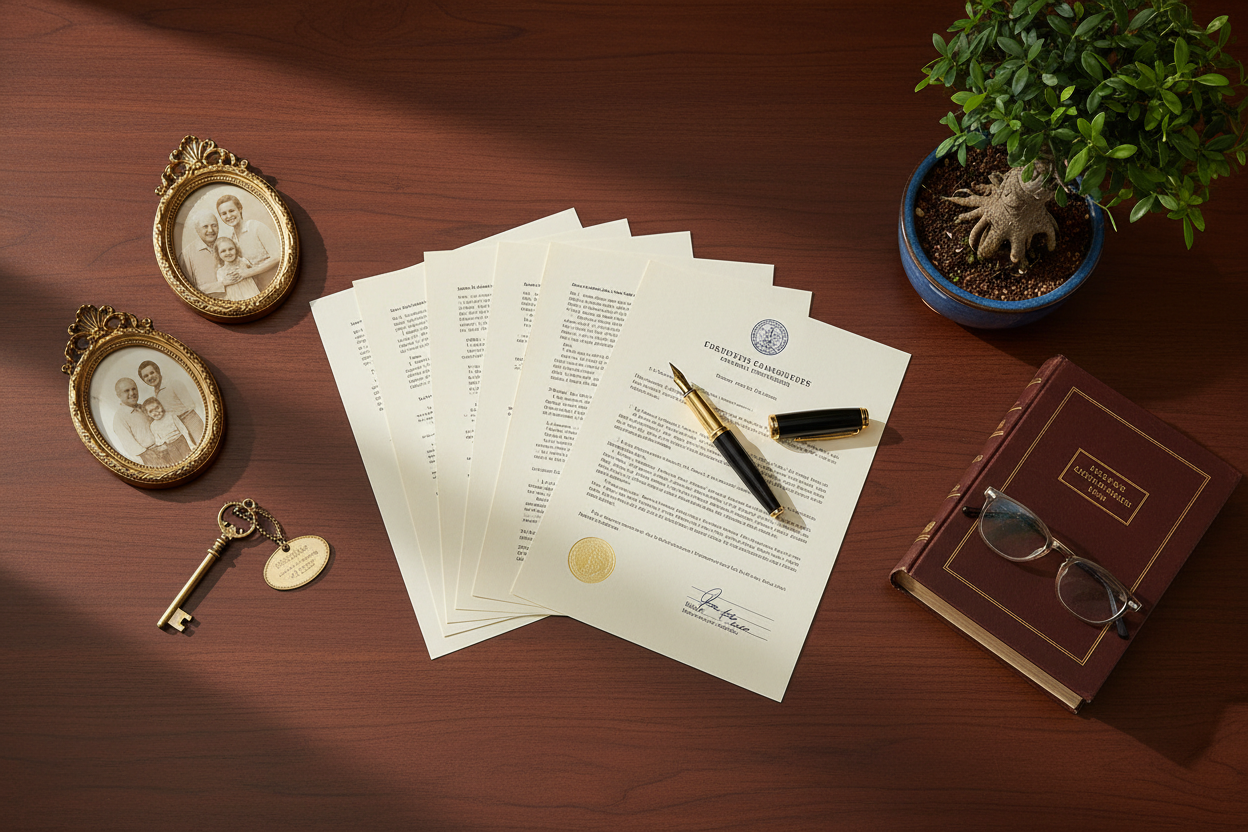
Estate Planning Basics: Ensuring Your Wishes Are Honored
Nobody likes to think about their own mortality, but here’s the uncomfortable truth: estate planning isn’t just for the wealthy or elderly. Whether you’re 25 or 85, whether you own a mansion or just have a savings account, having a solid estate plan is one of the most caring things you can do for your loved ones. It’s about making sure your wishes are crystal clear when you’re no longer around to voice them yourself.
Think of estate planning as writing a love letter to your future self and your family. It’s your way of saying, “I’ve thought this through, and I want to make things as easy as possible for you.” Without proper planning, you’re essentially leaving your family to navigate a legal maze during one of the most emotionally challenging times of their lives.

What Exactly Is Estate Planning?
Estate planning is the process of organizing your affairs so that your assets are distributed according to your wishes after you pass away or become incapacitated. But it’s so much more than just deciding who gets what. It’s about protecting your family from unnecessary stress, minimizing taxes, avoiding probate court drama, and ensuring your healthcare wishes are respected if you can’t speak for yourself.
Your “estate” includes everything you own: your home, car, bank accounts, investments, personal belongings, and even digital assets like social media accounts and cryptocurrency. It also encompasses your debts and obligations. Estate planning helps you manage all of these elements in a comprehensive, legally sound way.

Essential Documents Every Estate Plan Needs
Last Will and Testament
Your will is probably the first document that comes to mind when you think about estate planning, and for good reason. This legal document outlines how you want your assets distributed after your death. It also allows you to name guardians for minor children and specify your funeral preferences.
Here’s what many people don’t realize: a will only covers assets that would otherwise go through probate court. Assets with designated beneficiaries, like life insurance policies or retirement accounts, typically pass directly to those beneficiaries regardless of what your will says. This is why your estate plan needs to be comprehensive and coordinated.
Revocable Living Trust
A living trust can be a powerful tool for avoiding probate and maintaining privacy. When you create a trust, you transfer ownership of your assets to the trust, but you maintain control as the trustee during your lifetime. You can buy, sell, and manage assets just as you did before, but technically, the trust owns them.
The beauty of a trust is that when you pass away, your successor trustee can immediately distribute assets according to your instructions without court involvement. This means faster distribution to your beneficiaries and complete privacy since trust documents don’t become public record like wills do.
Financial Power of Attorney
This document is your financial safety net. It allows someone you trust to make financial decisions on your behalf if you become incapacitated. Without it, your family might need to go to court to get permission to access your accounts or pay your bills, which can be time-consuming and expensive.
Choose your financial power of attorney carefully. This person will have significant authority over your assets, so it should be someone you trust implicitly and who has good financial judgment.
Healthcare Power of Attorney and Living Will
Your healthcare power of attorney designates someone to make medical decisions for you if you can’t make them yourself. A living will, also called an advance directive, outlines your preferences for end-of-life care. Together, these documents ensure your medical wishes are honored even when you can’t communicate them.
These documents spare your family from having to guess what you would want in difficult medical situations. They also prevent potential conflicts between family members who might have different opinions about your care.
Understanding Beneficiary Designations
One of the simplest yet most overlooked aspects of estate planning is keeping beneficiary designations current. Your retirement accounts, life insurance policies, and bank accounts with payable-on-death features will go directly to the people you’ve named as beneficiaries, regardless of what your will says.
Life changes constantly, and your beneficiary designations should reflect those changes. Got married? Had children? Divorced? Lost a loved one? These life events should trigger a review of all your beneficiary designations. It’s surprisingly common for people to forget to update these forms, leading to unintended consequences.
For example, if you named your ex-spouse as the beneficiary of your 401(k) and never updated it after your divorce, guess who’s getting that money? Not your current spouse or children, but the person you probably didn’t intend to benefit.
Tax Implications and Strategies
Estate taxes might not affect everyone, but understanding the tax implications of your estate plan is crucial. For 2024, the federal estate tax exemption is quite high, meaning most people won’t owe federal estate taxes. However, some states have their own estate or inheritance taxes with lower thresholds.
Even if estate taxes aren’t a concern, there are other tax considerations. Your beneficiaries might face income tax consequences when they inherit certain assets. For instance, inheriting a traditional IRA comes with required distributions and potential tax bills, while inheriting a Roth IRA offers more flexibility.
Strategic planning can help minimize these tax burdens. Techniques like annual gifting, charitable donations, or setting up certain types of trusts can reduce the taxable value of your estate while allowing you to see the benefits during your lifetime.
Special Considerations for Families
Planning for Minor Children
If you have minor children, estate planning becomes even more critical. Your will should name guardians who would raise your children if both parents pass away. This isn’t just about choosing loving caregivers; consider practical factors like the potential guardians’ age, financial stability, parenting philosophy, and location.
You’ll also need to plan for your children’s financial future. Rather than leaving assets directly to minors, consider setting up trusts that provide for their needs while protecting the assets until they’re mature enough to handle them responsibly.
Blended Families and Complex Relationships
Modern families often have complex dynamics that require careful estate planning. If you’re in a second marriage with children from previous relationships, you’ll need to balance providing for your current spouse while ensuring your children’s inheritance is protected.
These situations often benefit from more sophisticated planning tools like qualified terminable interest property trusts, which can provide income to a surviving spouse while preserving the principal for children from a previous marriage.
When to Review and Update Your Estate Plan
Creating an estate plan isn’t a one-and-done task. Life changes, and your plan should evolve with it. Major life events that should trigger a review include marriage, divorce, birth or adoption of children, death of a beneficiary or named fiduciary, significant changes in assets, and moves to different states.
Even without major life changes, it’s wise to review your estate plan every three to five years. Laws change, your circumstances evolve, and what made sense five years ago might not be optimal today.
Don’t forget about the smaller details either. Have you moved and forgotten to update your address with your insurance companies? Have you acquired new assets that aren’t properly titled? These seemingly minor oversights can create major headaches for your beneficiaries.
Working with Professionals
While simple estate planning documents can be created using online tools, complex situations often require professional guidance. An experienced estate planning attorney can help you navigate complicated family dynamics, tax strategies, and state-specific laws.
The cost of professional help is often far less than the potential costs of inadequate planning. Consider the expense an investment in your family’s future peace of mind. When choosing professionals, look for attorneys who specialize in estate planning and have experience with situations similar to yours.
Taking the First Step
The hardest part of estate planning is often just getting started. Begin by taking inventory of your assets and debts. Think about your goals and values. Who do you want to benefit from your estate? Who would you trust to make decisions on your behalf?
Start with the basics: a simple will, power of attorney documents, and updated beneficiary designations. Even a basic plan is infinitely better than no plan at all. You can always refine and expand your plan as your situation becomes more complex.
Estate planning isn’t about preparing for death; it’s about taking control of your life and protecting the people you love. It’s about ensuring that your hard work and careful savings benefit the right people in the right way. Most importantly, it’s about giving yourself and your family the gift of certainty in an uncertain world.
Don’t let another day pass without at least starting this important process. Your future self and your loved ones will thank you for taking action today. Remember, the best estate plan is the one that’s actually completed and kept current. Start where you are, use what you have, and do what you can. Your family’s future depends on the decisions you make today.